 Save
Save Years ago, a Vietnamese colleague brought leftovers to the office that stopped me mid-conversation—a glossy, caramel-glazed chicken that tasted like nothing I'd ever made. She explained it was ga kho, a weeknight staple in her family, and offered to show me how simple it actually was. The magic, she said, wasn't in technique but in patience with the caramel and trust in fish sauce. That afternoon, I went home and tried it, and the smell of burnt sugar melting into savory umami convinced me I'd stumbled onto something worth mastering.
The first time I made this for friends, I was terrified of the caramel stage—you really do have to watch it like a hawk, and I remember standing over the stove wondering if amber-brown meant I'd gone too far. But the moment those chicken pieces hit that hot caramel and the kitchen filled with that distinctive sweet-savory-slightly-burnt aroma, I knew I'd gotten it right. My friend Sarah came into the kitchen asking what smelled so good, and when she tasted it over rice, she closed her eyes like she'd just remembered something important.
Ingredients
- Boneless, skinless chicken thighs (800g): Thighs stay juicy under heat where breast can dry out; cut them into bite-sized pieces so they cook through and absorb the caramel glaze evenly.
- Fish sauce (3 tbsp): This is the soul of the dish—don't skip it or reduce it. It deepens everything and tastes nothing like fish once cooked; it's pure umami.
- Light soy sauce (2 tbsp): Adds salt and a subtle sweetness; use light soy, not dark, so the glaze stays glossy rather than muddy.
- Brown sugar (2 tbsp) and lime juice (1 tbsp): Together they balance the caramel's richness and the fish sauce's boldness with brightness and subtle sweetness.
- Garlic (2 tsp minced) and black pepper (1 tsp): Garlic softens into the glaze and disappears into background warmth; fresh black pepper stays present and adds a gentle bite.
- Granulated sugar (4 tbsp) and water (3 tbsp): These create the caramel base—the water helps the sugar dissolve evenly before it turns that deep amber color without burning.
- Vegetable oil (1 tbsp): Added after the caramel to prevent the glaze from seizing and to help everything cook smoothly.
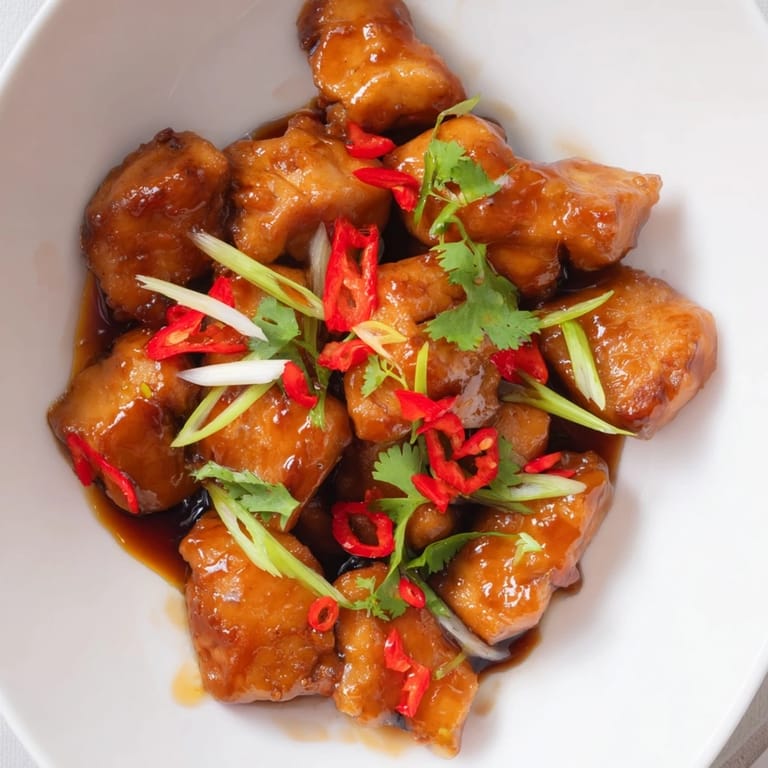
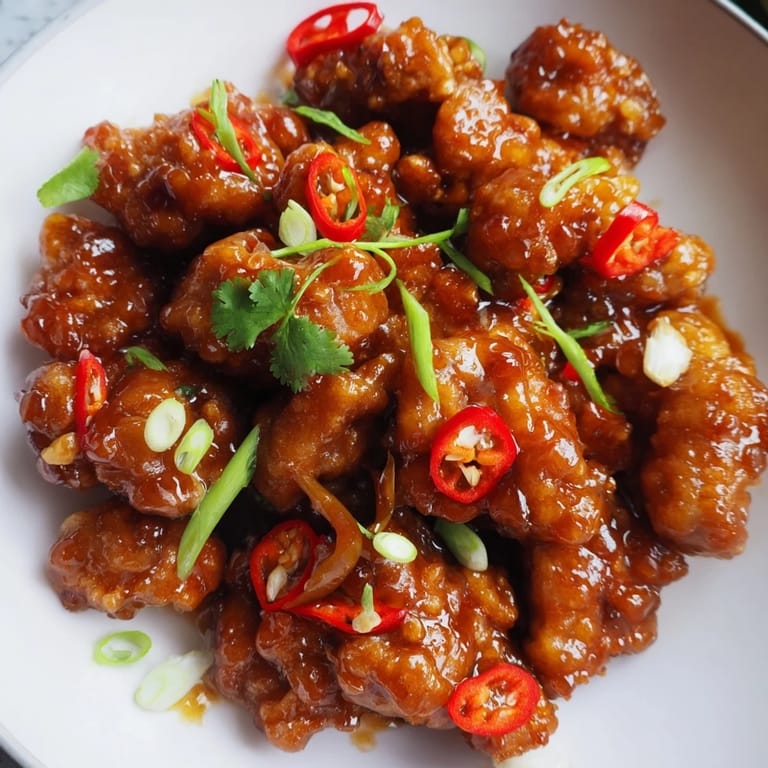
- Spring onions, red chili, and fresh coriander: These finish the dish with freshness and brightness, cutting through the rich caramel and adding color and texture.
Tired of Takeout? 🥡
Get 10 meals you can make faster than delivery arrives. Seriously.
One email. No spam. Unsubscribe anytime.
Instructions
- Marinate the chicken:
- Toss your chicken pieces with fish sauce, soy sauce, lime juice, garlic, and black pepper in a bowl. Even 15 minutes lets the flavors start to penetrate, but if you have time, let it sit longer—the chicken becomes more flavorful and tender.
- Make the caramel:
- Pour sugar and water into a large skillet or wok over medium heat. Resist the urge to stir; just let it sit and watch. In about 4–5 minutes, the edges will turn golden, then the whole pan will shift to a deep amber—that's your moment to move quickly before it burns.
- Add the chicken:
- The moment your caramel reaches that deep amber, immediately add the marinated chicken and all its juices. The caramel will bubble and hiss; toss everything together so each piece gets coated in that glossy, sticky coating.
- Cook until glossy:
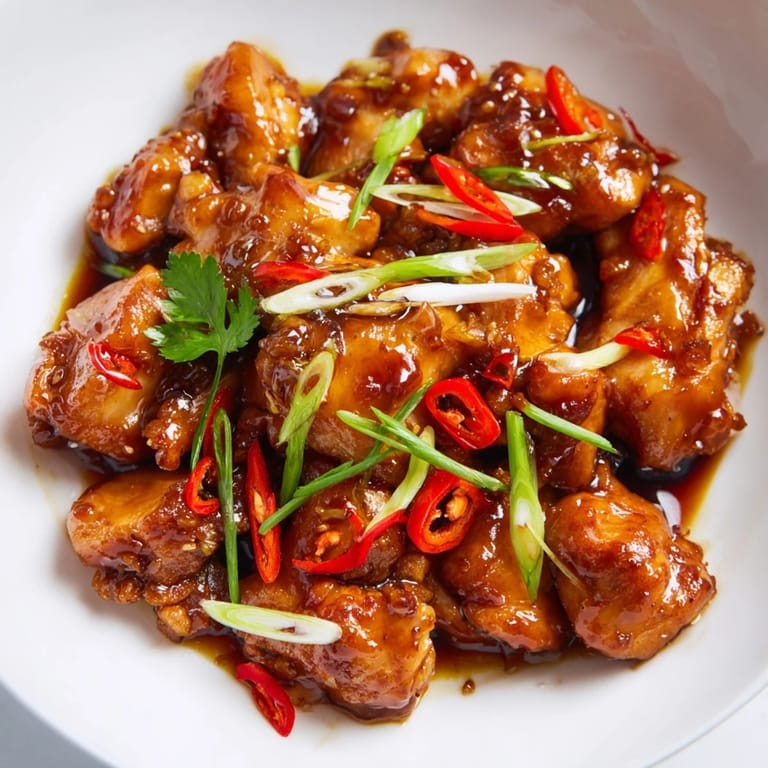
- Pour in the vegetable oil and turn the heat to medium-high. Stir occasionally for 8–10 minutes, letting the chicken cook through while the sauce thickens and clings to every piece. You'll see it transform from wet glaze to a gorgeous, sticky coating.
- Taste and adjust:
- The balance should feel savory-sweet with a hit of fish sauce and lime brightness. Taste it now and add a splash more fish sauce for depth or lime for sharpness, whatever feels right.
- Finish and serve:
- Transfer to a serving plate and scatter spring onions, sliced red chili, and fresh coriander over the top. Serve hot with steamed jasmine rice and maybe a small bowl of extra lime wedges on the side.
 Pin it
 One evening my partner came home stressed from work and I served this over rice with cold beer, and I watched them slowly settle as they ate. There's something about caramel chicken—the way it's both rich and bright, comforting and exciting—that makes people pause and actually taste their food. That's when I realized this dish had become more than just dinner; it was an invitation to slow down.
The Story of Vietnamese Caramel
Caramel chicken isn't fancy or obscure in Vietnam—it's a mother's quick dinner, a lunch box staple, something that tastes good hot or cold and costs very little. The technique is old and practical: caramelize sugar, add protein and sauce, let them marry together. But there's a quiet sophistication in how simple it is, how the caramel deepens and the fish sauce becomes invisible, supporting every flavor without announcing itself. Learning to make this taught me that Vietnamese cooking isn't about complexity; it's about balance and respect for ingredients.
Variations and Riffs
You can swap chicken thighs for breast (reduce cooking time to 6–8 minutes or it dries out), or use pork shoulder cut into chunks for a richer, chewier texture. Some families add hard-boiled eggs or potatoes to the glaze in the last few minutes, and others finish with a splash of coconut water for unexpected sweetness. Even changing the herb garnish—using Thai basil instead of coriander, or adding toasted peanuts—shifts the whole feeling of the dish.
Serving and Pairing
This dish sings alongside steamed jasmine rice, which soaks up the glaze, but it's equally good over broken rice or soft noodles. A crisp white wine or cold iced green tea cuts through the richness beautifully, and don't skip the lime wedges—they're not garnish, they're essential balance. Leftover caramel chicken keeps well for three days and reheats gently over low heat or even cold straight from the fridge as a next-day snack.
- Always taste and adjust seasoning just before serving because the glaze concentrates as it cools.
- If you're cooking for guests, marinate the chicken in the morning and caramelize just before eating so everything is as tender and glossy as possible.
- Have extra lime and fresh herbs on hand because people inevitably want more brightness and freshness once they start eating.
 Pin it
 This is the kind of recipe that gets better every time you make it because you learn where your stove's hot spots are, how your caramel likes to behave, what balance of fish sauce and lime tastes like home to you. Make it once, then make it your own.
Frequently Asked Questions
- → How do I achieve the perfect caramel for the chicken?
Heat sugar and water over medium heat without stirring until it turns a deep amber. Watch carefully to prevent burning, then add chicken and marinade immediately for a glossy glaze.
- → Can I use chicken breast instead of thighs?
Yes, but reduce cooking time to avoid dryness. Thighs are preferred for tenderness and flavor absorption.
- → What sides complement this dish best?
Steamed jasmine rice pairs beautifully, soaking up the sauce. Light greens or pickled vegetables also balance the richness.
- → How can I add more heat to this dish?
Include additional sliced red chili or sprinkle chili flakes into the sauce during cooking for a spicier kick.
- → Are there common allergens to watch for?
Yes, fish sauce and soy sauce contain fish and soy allergens. Check gluten content if sensitivity is a concern.