 Save
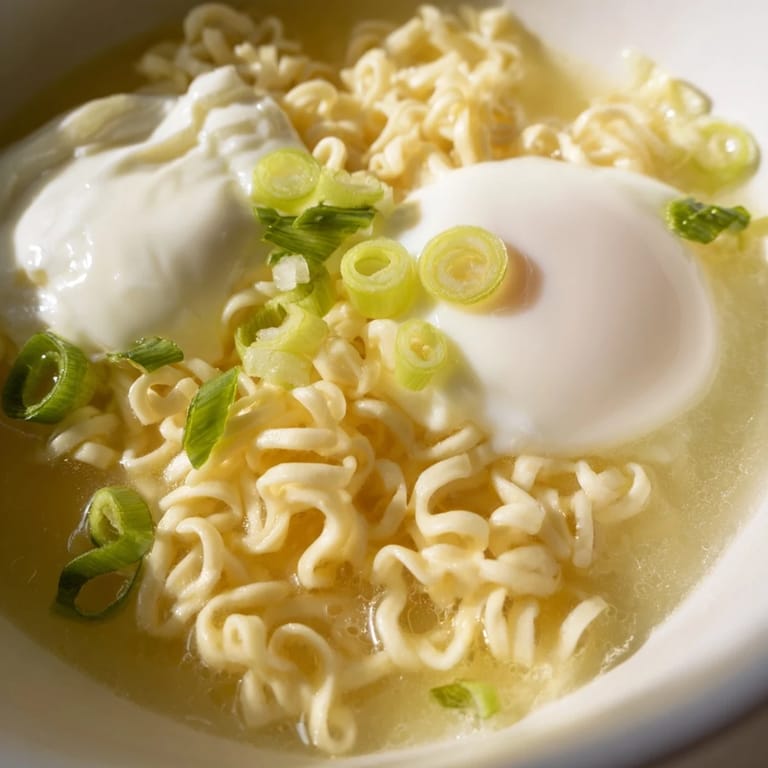
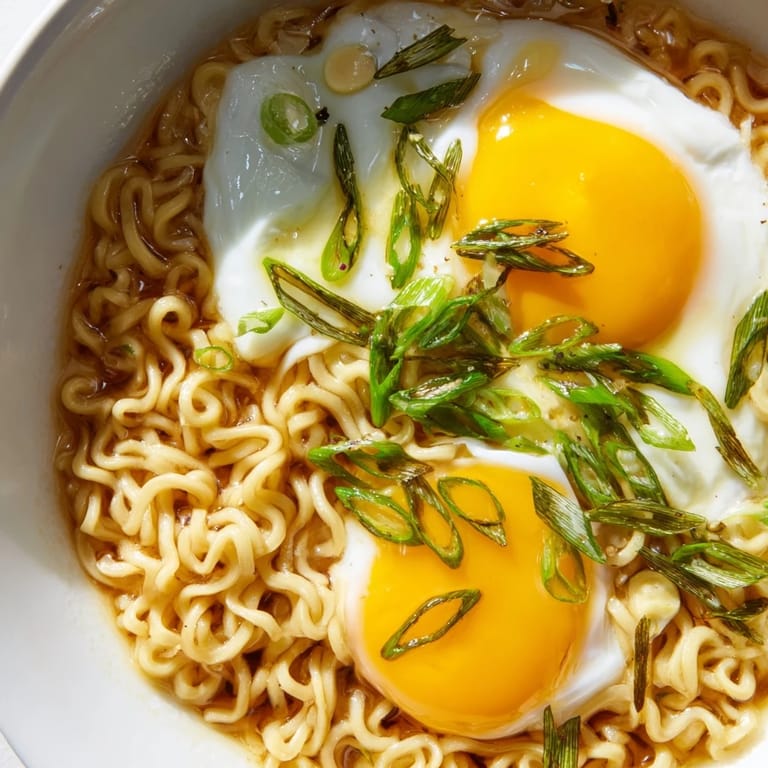
Save There's something almost meditative about the ritual of instant ramen on a weeknight when the kitchen feels too small and time feels too short. One evening, I stood at the stove watching the water come to a boil and thought: why not make this feel less like a shortcut and more like something intentional? A soft egg cracked into the simmering broth, that golden yolk waiting to break and blend into the noodles, changed everything. It took maybe thirty seconds more, but it transformed the whole bowl from rushed to restored.
I made this for a friend who showed up unannounced on a cold afternoon, no plans, just needing to sit somewhere warm. She watched the egg cook and asked why no one had told her instant ramen could taste like this. We ate standing at the counter, steam rising off the bowls, talking about nothing important. It became the meal we'd reach for whenever we both needed comfort without conversation.
Ingredients
- Instant Ramen Noodles: One package of whatever flavor calls to you in that moment—the seasoning is built right in, which is the whole point of this working so quickly.
- Water: Two cups, measured generously because you want enough broth to cradle everything.
- Ramen Seasoning Packet: Don't skip this; it's flavor concentrated into powder form.
- Unsalted Butter: One tablespoon stirred in at the end gives the whole thing a subtle richness that makes you pause between bites.
- Large Egg: The star player, cracked raw into the hot broth where it cooks gently until the white sets and the yolk stays liquid gold.
- Scallion: One stalk, sliced thin, adds a fresh brightness that cuts through the richness like punctuation.
- Chili Flakes or Chili Oil: Optional but worth keeping nearby; heat is always a conversation starter in a bowl.
- Soy Sauce: A small pour if you want to deepen the savory notes, but taste first—the seasoning packet might already be enough.
Tired of Takeout? 🥡
Get 10 meals you can make faster than delivery arrives. Seriously.
One email. No spam. Unsubscribe anytime.
Instructions
- Start with Boiling Water:
- Fill a small saucepan with two cups of water and set it over high heat. Listen for the full rolling boil, not just steam escaping—that's when you know the water is hot enough to cook everything properly.
- Add the Noodles:
- Drop the entire nest of ramen into the boiling water and let them soften according to package instructions, usually two to three minutes. Stir gently so they don't clump together into one stubborn mass.
- Lower the Heat and Crack the Egg:
- When the noodles are almost tender, turn the heat down to low and let the water stop its aggressive bubbling. Crack the egg directly into the simmering broth—the slower, gentler heat is what keeps the yolk runny while the white sets. Cover the pan immediately.
- Let the Egg Cook Gently:
- Leave it covered for one to two minutes, just long enough for the white to turn opaque but the yolk to stay soft in the center. If you like it firmer, give it another minute or two, but watch it closely—overcooked yolks taste different, somehow less forgiving.
- Finish with Butter and Seasoning:
- Stir in the seasoning packet and butter while everything is still hot, letting the butter melt into the broth and dissolve into flavor. The warmth does the work here—no extra cooking needed.
- Pour and Top:
- Transfer the whole thing to a bowl and scatter the sliced scallions across the top while it's still steaming. Add chili flakes, soy sauce, or nothing at all, depending on what your taste buds are asking for.
 Pin it
 I learned that food doesn't have to be complicated to feel like something you made with intention. This bowl proved that ten minutes and five ingredients can be just as satisfying as anything that takes hours, maybe more so because the simplicity lets you taste each component—the salt, the butter, the yolk breaking into the broth like a small luxury you made happen yourself.
The Power of One Good Egg
An egg in ramen isn't decoration; it's the entire reason this meal stops feeling like a convenience and starts feeling like care. The yolk becomes sauce, richness, and a little moment of decadence in the middle of a quick dinner. I've tried making this without the egg, and it's fine—it's ramen. But with it, something shifts in how the meal tastes and how you feel eating it.
Variations That Keep It Interesting
Once you've made this the simple way, the variations come naturally. Spinach wilts into the broth in the last minute, adding nutrition without effort. A handful of corn kernels turns the bowl golden and slightly sweet. Thinly sliced mushrooms soak up all the flavor and add texture you didn't know you were missing. Even a splash of toasted sesame oil in the last seconds changes everything, bringing a nutty warmth that lingers after you've finished eating. The ramen itself becomes a canvas, and the egg stays the anchor that holds it all together.
Why This Works Every Single Time
The beauty of this recipe is that there's almost nothing that can go wrong, and that's worth celebrating in a cooking life full of things that demand precision and technique. The noodles cook the same way they always do, the egg behaves predictably, and the butter melts without negotiation. What changes every time is how hungry you are, what kind of day you've had, and what flavor you're in the mood for—and this meal adapts to all of that without resistance.
- If you forget to watch the noodles and they get a bit too soft, the egg and butter still save the whole thing.
- The seasoning packet is forgiving; you can always add more soy sauce or heat later, but you can't take it back.
- Make this as many times as you want without ever feeling like you're repeating yourself because the variables are endless and the comfort is constant.
 Pin it
 This is the meal you make when you need something fast but refuse to settle for anything less than delicious. Every time you finish the bowl, you'll understand why ramen earned its place as comfort food across the world.
Frequently Asked Questions
- → How do I achieve a soft but set egg in the broth?
Crack the egg into simmering broth without stirring, cover the pot, and cook for 1–2 minutes until the white firms but yolk remains tender.
- → Can I add vegetables to this dish?
Yes, adding spinach, corn, or mushrooms enhances nutrition and flavor without altering preparation time significantly.
- → What variations can enhance the broth flavor?
Incorporate toasted sesame oil, additional chili flakes, or soy sauce according to taste preferences for deeper flavor.
- → Is butter necessary for this dish?
Butter adds a creamy richness to the broth, but it can be omitted or substituted with alternatives if desired.
- → Can different instant noodle brands be used?
Yes, this method works well with any instant noodle brand and flavor, adapting the seasoning accordingly.