 Save
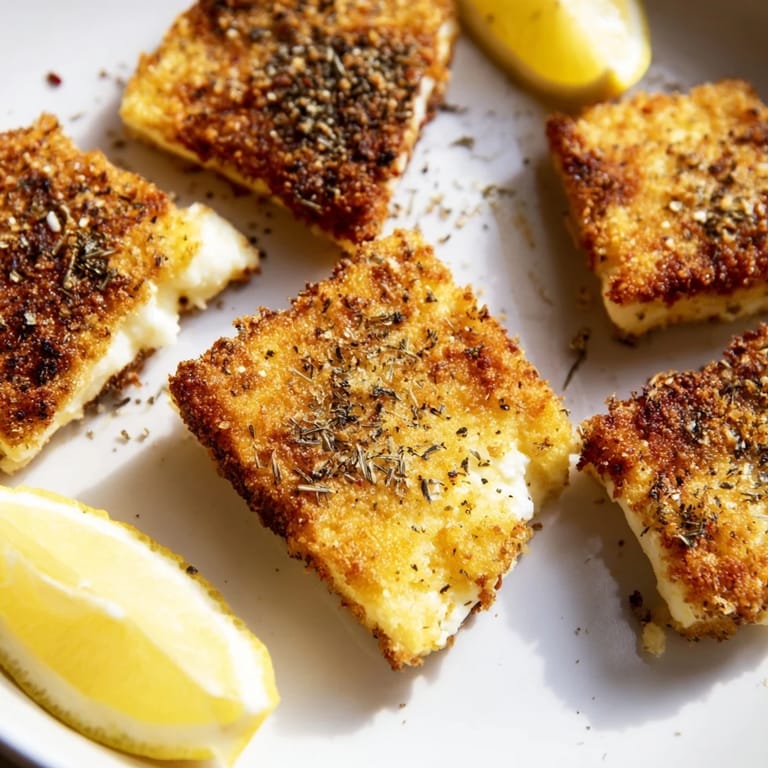
Save My first encounter with saganaki happened at a taverna in Athens on a sweltering afternoon when the owner's daughter slid a plate of golden, squeaking cheese in front of me with an almost mischievous grin. I'd never heard cheese make a sound before, and I certainly hadn't expected it to be served hot, crispy, and demanding to be eaten immediately. One bite and I understood why this simple dish has survived generations—there's something almost magical about the contrast between that crackling crust and the warm, yielding interior. I've been chasing that moment ever since, and now I make it whenever I want to feel transported back to that exact afternoon.
I served this at a dinner party last spring when someone showed up late and hungry, and instead of ordering delivery, I decided to make saganaki. Within three minutes, everyone had abandoned their cocktails and gathered in the kitchen, drawn by the sizzling sound and the smell of hot olive oil. That's when I learned that good food doesn't need a fancy presentation—it needs a moment where people stop talking and just pay attention.
Ingredients
- Firm Greek cheese (kasseri, kefalotyri, or halloumi), sliced 1 cm thick: This is the hero ingredient—you need cheese with a high melting point that softens inside but holds its shape. Kasseri and kefalotyri are traditional, but halloumi works beautifully if you can't find them; what matters is that the cheese doesn't collapse into a puddle the moment it hits the pan.
- All-purpose flour: A light flour coating creates that crispy exterior and gives the cheese time to warm through without burning; use gluten-free flour if needed, and don't skip the drying step.
- Olive oil: Use a good quality one—it's not just for frying here, it's flavor, so let it shine.
- Lemon wedges: The brightness is essential, cutting through the richness and bringing everything into focus.
- Dried oregano and freshly ground black pepper: These aren't afterthoughts; they're the final notes that make this taste authentically Greek.
Tired of Takeout? 🥡
Get 10 meals you can make faster than delivery arrives. Seriously.
One email. No spam. Unsubscribe anytime.
Instructions
- Pat and prep the cheese:
- Use paper towels to dry each slice thoroughly—any moisture will cause splattering and uneven frying. This step takes thirty seconds but changes everything.
- Coat lightly in flour:
- Dredge each slice quickly and shake off the excess so you end up with just a thin, whisper-light coating. Too much flour becomes gummy; too little and you lose that delicate crust.
- Heat the oil until it shimmers:
- Get your skillet hot over medium-high heat and let the oil ripple slightly—this is your signal that it's ready. The temperature is crucial because you want a quick, aggressive sear that locks in the crust before the inside has time to leak out.
- Fry with intention:
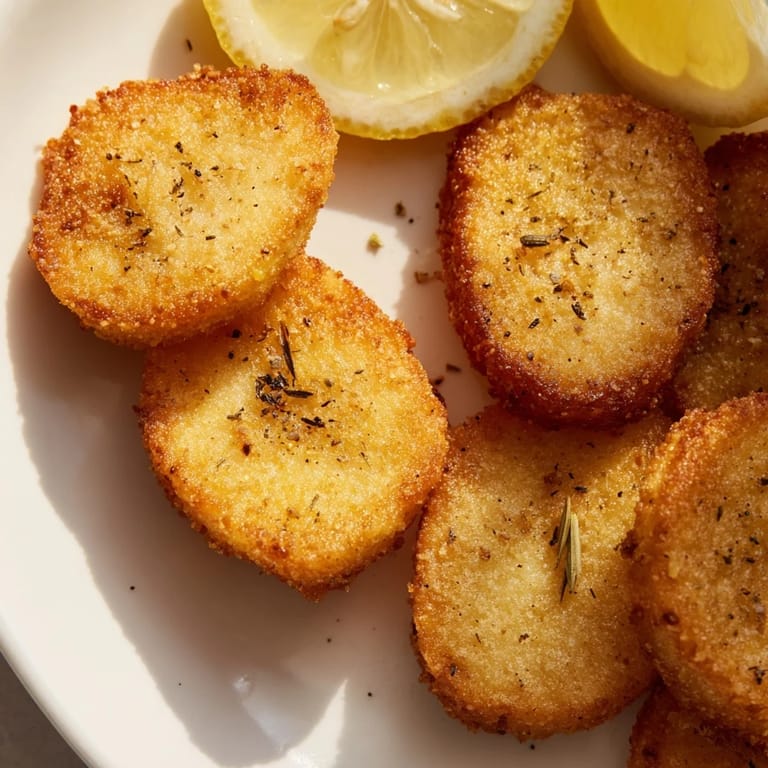
- Add the cheese slices and resist the urge to move them around; let them sit for 1–2 minutes per side until they're golden and crispy. Listen for the sound—you'll hear a gentle sizzle that tells you things are going right.
- Drain and finish:
- Transfer to paper towels briefly, then straight to a serving plate while they're still hot. Sprinkle with oregano and pepper immediately so the flavors stick to the warm surface.
- Serve without hesitation:
- This is not a dish that waits—the moment it hits the plate, it should go to the table and straight into someone's mouth while the cheese still squeaks.
 Pin it
 There's a Greek word, 'kefi,' that describes a state of joy and passion while doing something, and that's exactly what happens in your kitchen when saganaki is frying. The sound, the aroma, the anticipation—it all combines into something that transcends the simplicity of the dish itself.
Cheese Selection Matters
Kasseri is the traditional choice and has a slightly higher melting point, which means a more forgiving frying window. Kefalotyri is nuttier and equally excellent, though it tends to have a firmer texture that some prefer. Halloumi, while not strictly Greek, behaves beautifully in the pan and has become an acceptable substitute outside Greece—I won't judge, and neither should anyone else. The key is firmness; if your cheese is soft or crumbly, it won't work, so ask your cheesemonger for their recommendation if you're unsure. Graviera is another outstanding option that brings a slightly sweet, buttery quality to the finished dish.
The Technique Is Everything
This recipe only works because of the careful orchestration of heat and timing, not because of any fancy ingredient. The flour coating isn't there for flavor—it's there to create a barrier that lets the cheese warm through without immediately collapsing. When you add the cheese to the hot oil, you're aiming for that brief, beautiful moment where the outside crisps while the inside stays creamy, and that happens in about two minutes per side if everything is right. Too slow, and the cheese leeches out; too fast, and the inside stays cold. After my hundredth batch, I learned to trust my ears more than my eyes—the sizzle tells you what's happening beneath that golden crust.
Serving and Pairing
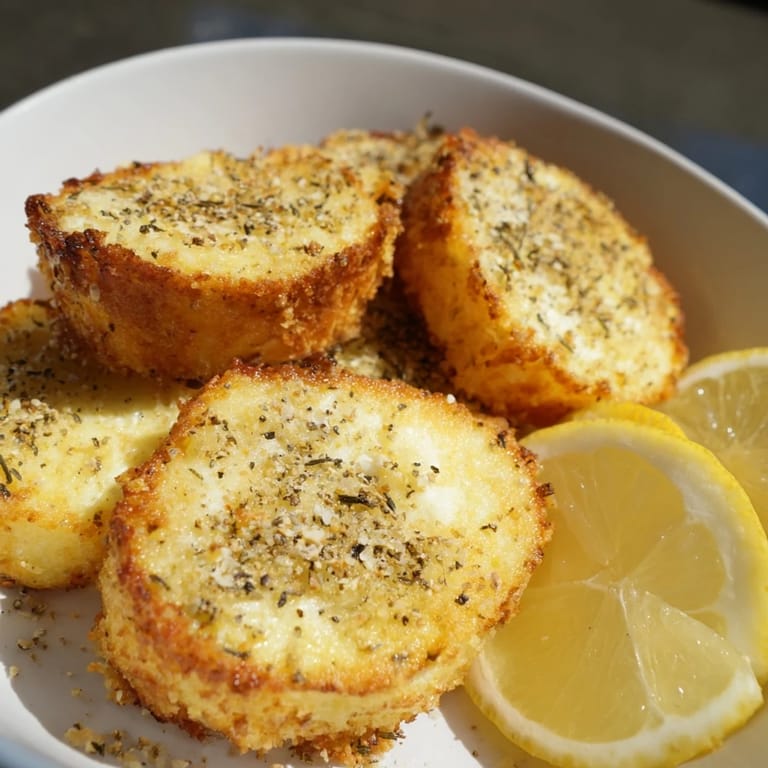
Saganaki is traditionally served as part of a mezze platter alongside olives, bread, and dips, but it's equally magical as a standalone appetizer or even a late-night snack. The lemon is non-negotiable—squeeze it over the hot cheese just before eating, and watch as the warmth releases the citrus oils and brings everything into sharp focus. It pairs beautifully with crisp white wines like Assyrtiko or even a light rosé, though honestly, it's just as happy alongside a cold beer or even eaten without a drink at all.
 Pin it
 Saganaki isn't complicated, but it rewards attention and respect—the kind of recipe that reminds you why you fell in love with cooking in the first place. Make it once and it becomes yours.
Frequently Asked Questions
- → What types of cheese work best for Saganaki?
Firm Greek cheeses like kasseri, kefalotyri, halloumi, or graviera are ideal because they hold their shape when fried and develop a crispy crust.
- → Can I use gluten-free flour for coating?
Yes, substituting all-purpose flour with gluten-free flour works well to keep the coating light and crisp without gluten.
- → How do I achieve a crispy exterior without melting the cheese?
Use medium-high heat and fry the cheese slices briefly (1–2 minutes per side) to get a golden crust while keeping the inside firm.
- → What is the purpose of squeezing lemon on the cheese?
Fresh lemon adds bright acidity that balances the rich, salty flavors of the fried cheese and enhances the overall taste.
- → Can I prepare Saganaki ahead of time?
For best texture, serve immediately after frying. Reheating may soften the crust, reducing crispiness.