 Save
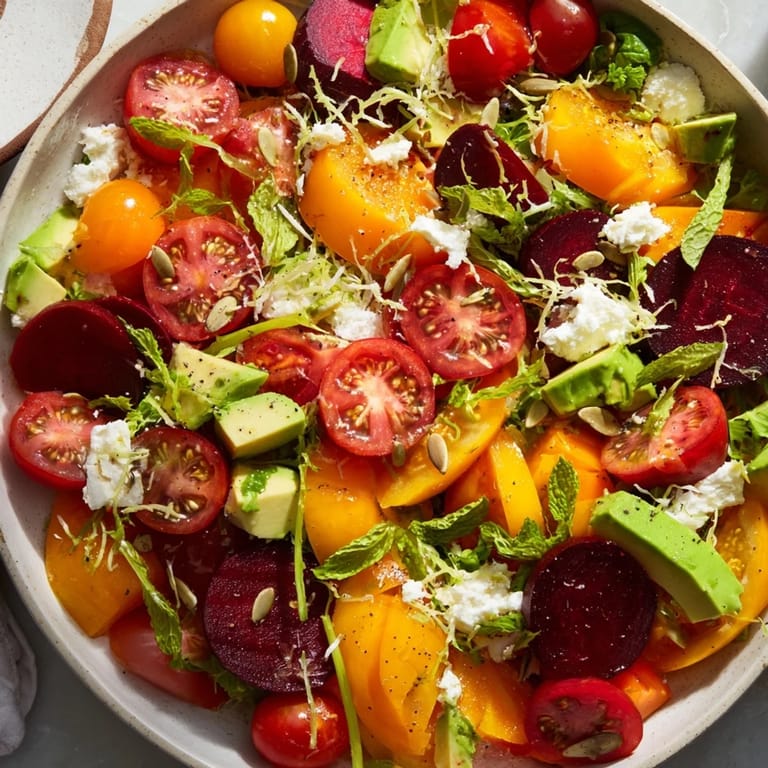
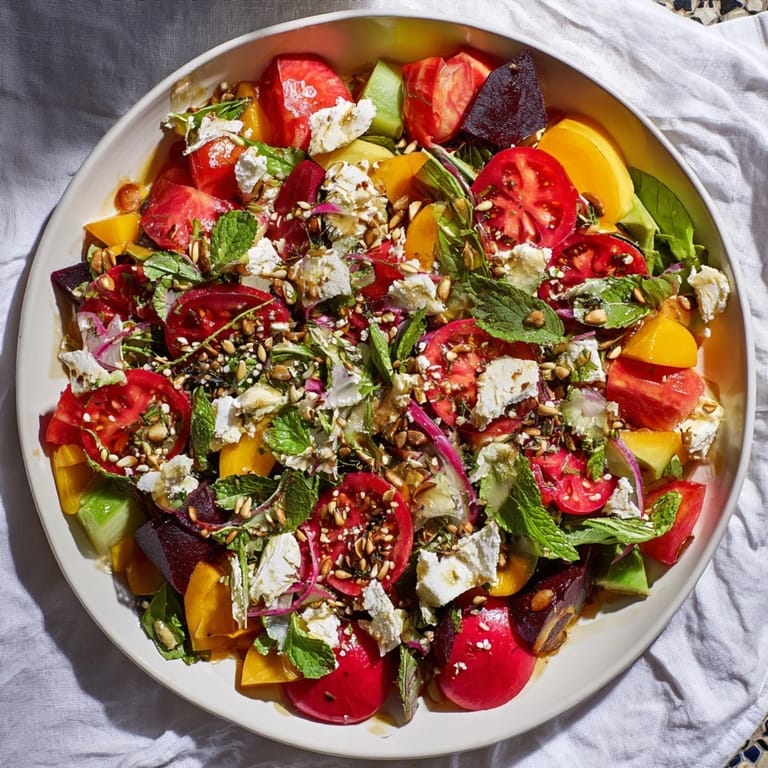
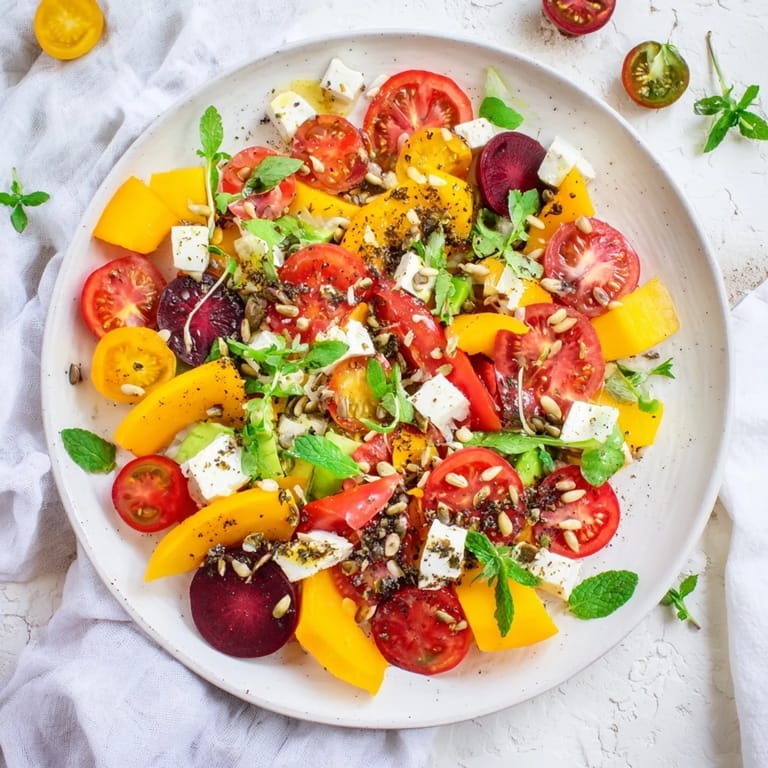
Save I discovered this salad on a dreary afternoon in my kitchen when I was trying to recreate the feeling of standing in front of a Pollock painting—all that explosive energy and impossible color combinations that somehow work together. I had just come back from an art gallery where the abstract expressionists had completely undone me, and I wanted to eat something that felt as alive and unrestrained as those canvases. So I raided my refrigerator, grabbed every colorful vegetable I could find, and started arranging them like I was painting rather than cooking. What emerged was this wild, gorgeous salad that tastes as exciting as it looks.
I made this for friends on a summer evening when everyone was tired of the same old dinner conversations, and something about the chaos of the plate sparked this magic. People actually paused before eating, really looking at it. Then as they mixed it all together on their own terms, I watched the salad transform differently on every plate. That moment when food becomes a conversation starter—that's when I knew this one was special.
Ingredients
- Cherry tomatoes, red and yellow (1 cup, halved): The little pops of brightness and acid that keep everything from being too heavy. I always use a mix of colors because those yellow ones add this subtle sweetness that red tomatoes alone can't match.
- Golden beet, small, peeled and shaved (1 small): This is what brings earthiness and visual drama at the same time. A mandoline is your friend here—it'll give you those paper-thin slices that catch the light beautifully.
- Cucumber, sliced into ribbons (1 small): The cool, refreshing anchor that balances the sweetness. Use a vegetable peeler to create those ribbons and you get this elegant, delicate texture instead of heavy slices.
- Red radishes, thinly sliced (1/2 cup): They bring heat and crunch, plus that brilliant pink color. Don't skip them—they're what keeps this from being just another salad.
- Watermelon, cut into irregular cubes (1 cup): The secret weapon that makes people do a double take. There's something about fruit in a savory salad that just clicks, especially with feta.
- Ripe avocado, cubed (1): Creamy, luxurious, and the thing that makes this feel indulgent. Add it last or toss gently—nobody wants avocado mush.
- Mixed baby greens, arugula, baby spinach, frisée (1 cup): The canvas for everything else. I like the combination because it gives you peppery, tender, and slightly bitter all at once.
- Fresh mint leaves, torn (2 tbsp): A whisper of brightness that ties the fruit to the vegetables. Tear them by hand so they stay intact and don't bruise.
- Toasted pumpkin seeds (1/4 cup): The crunch factor that keeps things interesting with every bite. Toasting them yourself makes them taste infinitely better than raw.
- Pomegranate seeds (1/4 cup): Jewel-like bursts of sweetness and juice. They add texture and that luxury feeling that makes people think you spent hours on this.
- Crumbled feta cheese (1/4 cup): The salty, tangy wake-up call that makes everything else taste more like itself. It's the punctuation mark on the whole thing.
- Extra-virgin olive oil (3 tbsp): Use one you actually like drinking—this is where the oil's personality shines through without any cooking to hide behind.
- White balsamic vinegar (1 tbsp): More delicate than dark balsamic, so it doesn't overpower the sweetness of the fruit. It also keeps the colors bright.
- Honey (1 tsp): Just enough to round out the vinegar and add a whisper of sweetness that brings everything together.
- Dijon mustard (1/2 tsp): This is the thing that makes the dressing emulsify and not separate. It's barely noticeable but completely necessary.
- Salt and freshly ground black pepper: Don't skip the fresh grinding—it makes a difference you can actually taste.
Tired of Takeout? 🥡
Get 10 meals you can make faster than delivery arrives. Seriously.
One email. No spam. Unsubscribe anytime.
Instructions
- Prep like you're an artist setting up your palette:
- Peel and shave your beet, slice everything into its pieces, and arrange each component in its own little bowl. This takes away the scrambling and lets you actually enjoy the assembly part. I like to admire the colors for a moment before I start building.
- Create your green foundation with intention:
- Scatter your mixed greens and torn mint across your platter in loose, uneven clumps. Don't try to be neat—the whole point is that this looks wild and alive. Think of it like you're tossing paint, not plating at a formal restaurant.
- Splash and scatter with confidence:
- Start adding your vegetables in whatever order feels right. Tomatoes here, beet shavings there, cucumber ribbons swooping across. Let them overlap, let the colors dance together. There's no wrong way to do this. If it starts to look balanced and symmetrical, mess it up a little.
- Add your textural elements with personality:
- Sprinkle the pumpkin seeds, pomegranate seeds, and feta across the top in an intentionally chaotic pattern. This is where the visual impact really lands—these little pops of color and texture scattered everywhere.
- Whisk your dressing into silky perfection:
- In a small bowl, combine your olive oil, white balsamic, honey, and mustard. Whisk it together until it looks smooth and creamy and slightly lighter in color than when you started—that's the emulsion happening. Season it to taste. A dressing this simple relies completely on balance.
- Drizzle like you're finishing a painting:
- Pour the dressing across the salad in zigzags and splatters, just like you've seen in those Jackson Pollock paintings. Be generous but not drowning—you want it to hit every area but still see all those beautiful colors underneath.
- Serve immediately and let the magic happen:
- Get it to the table while everything is still crisp and the colors are glowing. Let people admire it for a moment before the eating begins. There's something special about that pause where everyone takes it in before they dig in.
 Pin it
 There was this moment with my friend Maya where she mixed her salad and then just stopped, looking at her plate and smiling like she'd discovered something. She said, "This tastes like how art feels." That's when I realized this isn't really a recipe—it's permission to stop thinking so hard about following rules and start trusting your instincts in the kitchen.
Building Your Own Color Story
The best part about this salad is that it's your permission to improvise. If you have purple cabbage instead of beets, use it. If your market has beautiful heirloom tomatoes in weird striped colors, slice them up. The structure stays the same—you're just changing the palette. I've made versions with roasted purple sweet potatoes, with thinly shaved carrots, with sliced radish sprouts. The formula that makes it work is about balancing sweetness, acid, salt, crunch, and creaminess. Everything else is just your personal taste.
The Art of Imperfect Presentation
This is the salad that proves that precision and perfection aren't what make food beautiful. A perfectly plated restaurant salad is lovely to look at, sure, but there's something about this intentional chaos that feels alive. The colors bleeding into each other, the way the dressing pools in some spots and trickles across others—that's the actual art. Don't get precious about it. The more you fuss and try to make it look like a magazine photo, the more you lose the whole point of the thing.
Why This Works as a Salad for Sharing
Most salads feel like an obligation—the side dish you have to eat before the real food arrives. But this one is the main event. It's substantial enough from the combination of textures and nutrients that it actually feels like a proper meal, not a penance. Everyone gets their own experience when they mix it on their plate, so there's no one single salad that everyone has to agree about. You could make this for dinner and people would leave satisfied, not wondering where the rest of the meal is.
- Make sure your platter is actually large enough to hold everything without crowding—an 12 to 14-inch platter is ideal so colors can breathe
- If you're making this ahead for a party, assemble everything except the dressing, cover it loosely, and dress right before guests arrive
- Taste your dressing before you drizzle it—you want it to be bright and balanced because there's nothing else to hide behind
 Pin it
 This salad taught me that cooking doesn't always have to follow rules to be good—sometimes the best things happen when you give yourself permission to play. Make it, enjoy the colors, and let your guests experience something that feels a little bit like art on a plate.
Frequently Asked Questions
- → What ingredients create the salad’s vibrant colors?
The mix of cherry tomatoes, golden beet, cucumber ribbons, radishes, watermelon, and avocado bring a vivid spectrum to the dish.
- → How is texture enhanced in this salad?
Crunchy pumpkin seeds, juicy pomegranate seeds, and creamy feta cheese add interesting contrasts to the fresh vegetables and fruits.
- → What dressing complements the flavors?
A blend of olive oil, white balsamic vinegar, honey, and Dijon mustard offers a balanced, slightly sweet and tangy flavor.
- → Can this salad be made vegan?
Yes, by substituting the feta cheese with a plant-based alternative, this salad suits a vegan diet.
- → How should the salad be served for best presentation?
Arrange ingredients in a loose, artistic layering mimicking brushstrokes, then drizzle the dressing in zigzags for a colorful display.