 Save
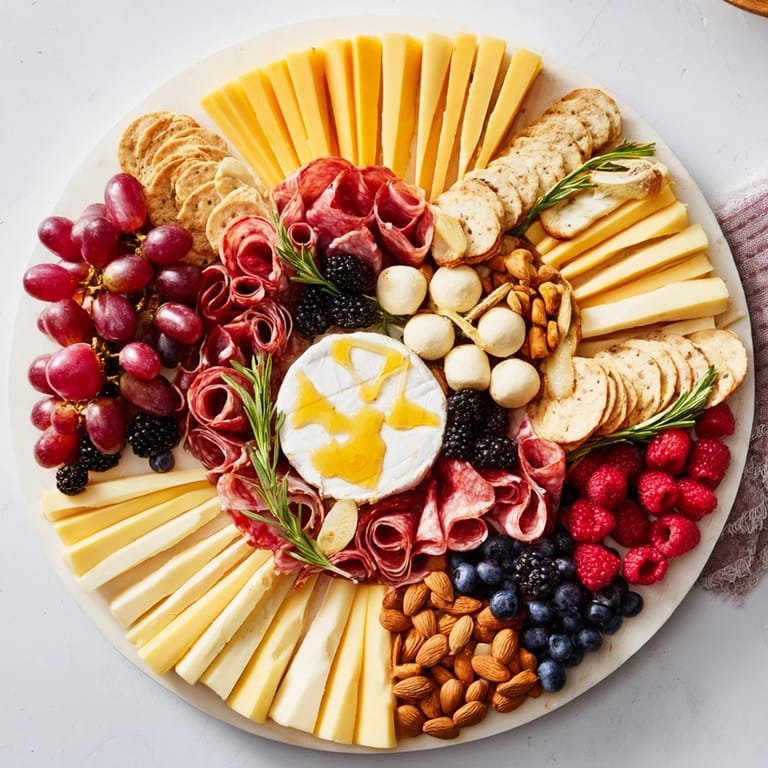
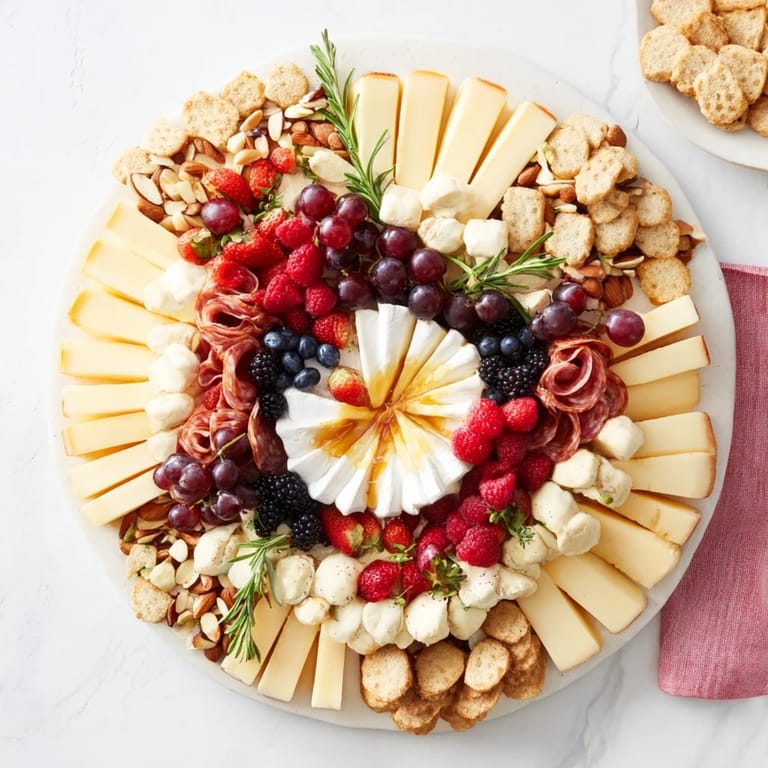
Save I first encountered the concept of the Ouroboros Circle at a dinner party where a friend arranged an appetizer platter that seemed to tell a story. Instead of the usual scattered board, everything curved into a continuous ring—like the ancient symbol of the serpent eating its own tail. I was mesmerized by how the visual narrative made people pause before diving in, almost reverently. That night, I realized that food could be more than nourishment; it could be art that sparked conversation. Now, whenever I create this platter, I'm transported back to that moment of wonder, and I watch the same magic happen on my guests' faces.
I remember assembling my first Ouroboros Circle for my partner's colleagues, nervous that the concept might seem too clever or pretentious. But as people arrived and took their seats, I watched them visibly slow down. They photographed it. They debated where to start, laughing about breaking the circle. By the end of the evening, someone asked me to recreate it for their own event. That's when I knew this wasn't just about the ingredients—it was about creating a moment.
Ingredients
- Brie, sliced (100g): This creamy cheese acts as a luxurious anchor in your circle. Slice it just before serving so it stays firm enough to place confidently, but not so early that it dries out. The pale color creates a beautiful contrast.
- Aged cheddar, cubed (100g): Choose a sharp, well-aged cheddar if possible. Those golden cubes catch the light and give your platter visual depth. I've learned that room-temperature cheddar is more flavorful than cold.
- Goat cheese, rolled into small balls (80g): Roll these gently in your hands—they should feel almost cloud-like. The slight tang plays beautifully against the honeyed finish, and the balls add a sculptural quality to your ring.
- Prosciutto, thinly sliced (80g): If using meat, prosciutto's delicate folds add movement and elegance. Lay the slices loosely so they maintain their texture and don't stick to other ingredients.
- Salami, folded (80g): These folded rounds add visual rhythm and a satisfying saltiness. Folding them in thirds creates little pockets that look intentional and designed.
- Artisanal crackers, fanned (1 handful): This is your serpent's head—arrange them in a fan so the tips point outward. Choose crackers with interesting shapes or colors that will stand out as the starting point.
- Small baguette slices (6 slices): These curve along the body of your circle, bridging gaps and adding structural support. Lightly toast them if you want them to hold their shape better under the weight of toppings.
- Red grapes in small clusters (1 cup): These become your serpent's tail, completing the circle where the cracker head begins. Choose grapes that are firm and deeply colored for visual impact.
- Mixed berries (1 cup): Blueberries, raspberries, and blackberries fill the gaps with jewel-like color. They're as much about visual beauty as taste, so arrange them thoughtfully rather than randomly scattering.
- Sliced fig, optional (1 fig): If you can find fresh figs, they add a sophisticated touch and a pop of deep purple. They're not essential, but they elevate the whole presentation.
- Roasted almonds (1/3 cup): These provide satisfying crunch and earthy flavor. Mix roasted and marcona for variation in texture and subtle flavor differences.
- Marcona almonds (1/3 cup): Buttery and refined, these are my secret luxury touch. They cost a bit more, but that slight splurge makes this feel special.
- Honey (2 tbsp): Use a good-quality honey—it's the final touch that brings warmth and elegance. Drizzle it over the goat cheese where it'll catch the light.
- Fresh rosemary sprigs (1 tbsp): A generous pinch of fragrant rosemary over the honey adds an herbal whisper. It transforms the platter from pretty to sophisticated.
Tired of Takeout? 🥡
Get 10 meals you can make faster than delivery arrives. Seriously.
One email. No spam. Unsubscribe anytime.
Instructions
- Choose your stage:
- Find a large round platter or wooden board—this is your canvas. The circular shape is essential to the Ouroboros concept; it completes the visual metaphor. A board about 14 to 16 inches in diameter works beautifully. I use a wooden board because it photographs warmly and the wood tones complement the cheeses.
- Place the serpent's head:
- At one point on your platter—imagine it as 12 o'clock—fan your crackers outward like a crown or sunburst. This is your focal point, so take a moment to arrange them so they look intentional and striking. They should radiate outward slightly, as if the serpent is breathing.
- Build the body with alternating cheeses and meats:
- Moving clockwise around the circle, alternate between sections of cheese and meat. Start with a group of brie slices, then transition to folded salami, then cheddar cubes, then prosciutto arranged in loose, elegant folds. Think of it as musical rhythm—variety, repetition, surprise. Leave small gaps; you'll fill them in.
- Curve the baguette slices along the ring:
- Nestle the toasted baguette slices into the open spaces between your cheese and meat sections. They should follow the curve of the circle like stepping stones. This is where you start to see the snake taking shape.
- Complete the serpent's tail:
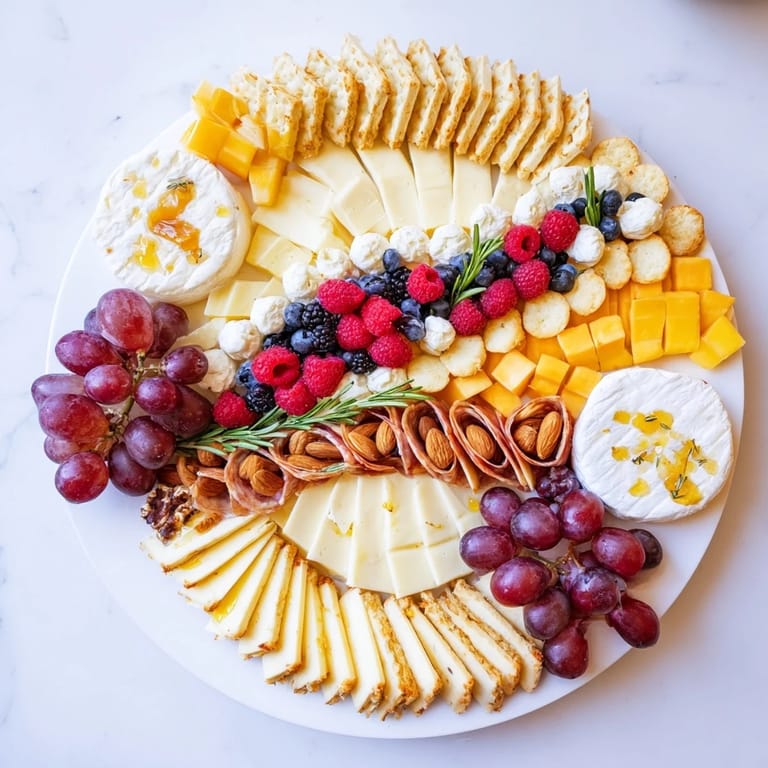
- At the opposite point from your cracker head—at 6 o'clock—place your red grape clusters. They should feel like a visual echo of the cracker head, but softer, rounder, more organic. The grapes are the tail, gently coiled.
- Fill the remaining spaces with jeweled berries and nuts:
- This is where the platter transforms from good to stunning. Scatter your mixed berries and fig slices into the remaining gaps. Place marcona almonds strategically for pockets of luxury. Step back often and look at the overall composition. You want color distribution to feel balanced, not clustered.
- Add the honey and rosemary finale:
- Just before serving, drizzle your best honey over the goat cheese balls so it glistens. Sprinkle the fresh rosemary over the honeyed cheese. This final touch is where transformation happens—the platter suddenly feels intentional, curated, professional.
- Ensure the circle is complete:
- Step back and look at your creation. The head and tail should almost touch, completing the eternal cycle. There should be no large gaps, but also no overcrowding. Every element should feel placed, not stuffed.
- Serve immediately and invite the breaking:
- Bring it to your guests while everything is at its best—the nuts still crisp, the cheeses still cool, the arrangement pristine. Invite them to break the circle, and watch the moment when they understand the concept and smile.
 Pin it
 There was a moment during one dinner party when a guest traced the outline of the circle with their finger before taking a single bite, following the path like they were tracing a spell. They looked up at me and said, 'This is how food should be arranged—with intention.' That's when I truly understood why this simple appetizer platter means so much to me. It's not fancy cooking; it's about showing people they matter enough to warrant thoughtfulness.
The Story Behind the Symbol
The Ouroboros has been a symbol of cycles, infinity, and renewal across cultures for thousands of years. In medieval alchemy, the serpent consuming its tail represented completion and the eternal return. When I arrange this platter, I'm tapping into something timeless—the idea that everything connects, everything returns, and there's beauty in continuity. Food, more than almost anything else, reminds us of these cycles. We eat, we gather, we eat again. This platter celebrates that beautiful repetition.
Making It Your Own
The greatest freedom in this recipe comes from understanding that the arrangement matters more than the specific ingredients. Don't have marcona almonds? Use pistachios or candied pecans. No fresh figs? Add dried apricots or candied citrus peels. The principle stays the same—you're creating a circle of contrasting textures, colors, and flavors. For a vegan version, swap the cheeses for high-quality plant-based alternatives and skip the cured meats. Edible flowers scattered across the platter—pansies, nasturtiums, or calendula—add unexpected elegance and whimsy.
Pairing and Presentation Tips
Serve this platter at the beginning of a meal or as the star of a casual gathering. It pairs beautifully with crisp white wines like Sauvignon Blanc, Pinot Grigio, or a chilled sparkling rosé. The acidity cuts through the richness of the cheeses while the fruit notes echo the berries on your platter. For non-alcoholic options, sparkling water with fresh lemon or a light fruit-forward tea complements the spread perfectly. If you're serving this as part of a larger spread, consider adding a small bowl of good honey, a sprinkle of fleur de sel, or a pot of fig jam nearby—these allow guests to customize their experience.
- Arrange the platter on a surface at eye level so guests can admire it before eating, not on a low coffee table where it becomes invisible.
- Leave small cheese knives or spreaders nearby—people appreciate tools even when they don't strictly need them.
- If transporting the platter, assemble it at your destination rather than traveling with a completed board; the arrangement is too precious to risk.
 Pin it
 This platter reminds me that the most memorable meals aren't always about complex techniques or fancy ingredients—they're about thoughtfulness and presence. Breaking bread in a circle, following an ancient symbol, watching people slow down and notice: that's the real magic.
Frequently Asked Questions
- → What is the best platter for assembling the Ouroboros Circle?
Choose a large, round platter or wooden board to allow ample space for the circular arrangement and easy access.
- → Can I customize the meats in the platter?
Yes, cured meats like prosciutto and salami can be included or omitted to suit dietary choices, creating vegetarian or vegan versions if desired.
- → How do the crackers and fruits contribute to the design?
Crackers are fanned at one end to form the "head," while clusters of grapes shape the "tail," creating a continuous and harmonious circle.
- → What are good flavor enhancers for the cheese elements?
Drizzling honey and sprinkling fresh rosemary over goat cheese balls adds subtle sweetness and herbal aroma, enhancing the overall taste.
- → How can I adapt this platter for different seasons?
Swap in seasonal fruits and nuts to keep the arrangement fresh and aligned with available ingredients throughout the year.
- → Are there recommended beverage pairings with this platter?
A crisp white wine like Sauvignon Blanc or a sparkling rosé complements the mix of cheeses, fruits, and nuts beautifully.