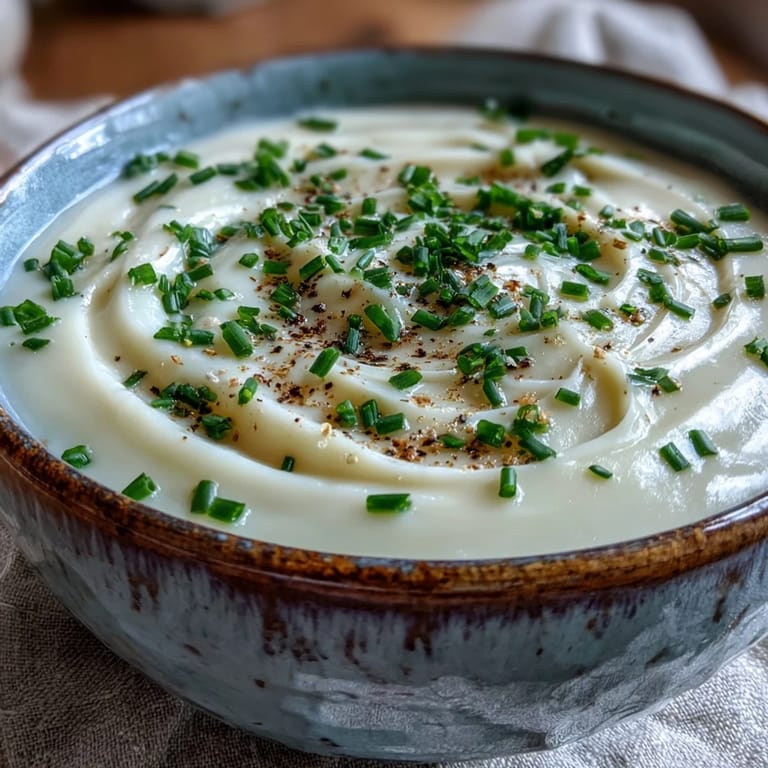
 Save
Save There's something about the smell of butter and onions hitting a cold kitchen that makes everything feel possible. I was having one of those mornings where the weather had turned bitter overnight, and all I wanted was something warm that didn't require a lot of fuss. That's when I reached for potatoes—not because I had some grand plan, but because they were sitting there in the pantry looking humble and reliable. This soup became my answer to those days when comfort matters more than complexity.
I made this for my neighbor Sarah on a Sunday afternoon when she'd just moved in. She arrived with boxes still stacked in her car and no idea what was in her kitchen. We sat at her half-empty dining table with steaming bowls, and she got quiet for a moment—not awkward, just the kind of quiet that happens when something unexpectedly good appears when you need it. That's when I knew this recipe had staying power.
Ingredients
- Russet potatoes (900 g): These are your foundation—starchy enough to create that velvety texture without needing cream to do all the work. Peel them while you're thinking about something else, it goes faster.
- Yellow onion (1 medium): The sweetness develops as it softens, building flavor from the very first sauté.
- Celery stalks (2): This is where subtle depth comes from, though it's easy to skip if you're not a celery person.
- Garlic (2 cloves): Minced fine so it dissolves into the broth rather than announcing itself in chunks.
- Carrot (1 medium): Adds a gentle sweetness and a hint of color to the finished soup.
- Vegetable or chicken broth (1 L): Use the good stuff here—it becomes the entire personality of your soup.
- Whole milk (240 ml): Creates richness without overwhelming the potato flavor.
- Heavy cream (120 ml): Swirled in at the end for that luxurious finish, though you can reduce this if you're watching fat intake.
- Unsalted butter (2 tbsp): The butter is where the sauté magic happens, browning your vegetables into something golden.
- Salt and black pepper: Taste as you go—the soup will tell you what it needs.
- Ground nutmeg (¼ tsp, optional): A whisper of warmth that makes people wonder what the secret ingredient is.
- Fresh chives or parsley, bacon, cheddar cheese (optional garnishes): These are your finishing touches, each one changing the mood of the bowl.
Tired of Takeout? 🥡
Get 10 meals you can make faster than delivery arrives. Seriously.
One email. No spam. Unsubscribe anytime.
Instructions
- Build the flavor base:
- Melt butter over medium heat and watch it turn from pale to golden—this takes about a minute. Add your onions, celery, carrot, and garlic, then listen for that gentle sizzle that tells you everything is softening right.
- Let them have their moment:
- Stir occasionally for 5 to 7 minutes until the edges of the onion turn translucent and the kitchen smells almost sweet. You'll notice the vegetables releasing their moisture and beginning to caramelize slightly at the bottom of the pot.
- Bring the potatoes into play:
- Add your diced potatoes along with the broth, salt, pepper, and nutmeg if you're using it. Bring everything to a rolling boil, then immediately lower the heat and let it simmer uncovered for about 20 minutes.
- Check for tenderness:
- The potatoes are ready when a fork slides through them without resistance. This is your signal that the starches have relaxed and the soup is almost ready to transform.
- Create the silky texture:
- Using an immersion blender, pulse the soup until it's completely smooth—you're creating a gentle vortex rather than aggressive blending. If you prefer some texture, you can leave small chunks, which some people actually prefer.
- Finish with care:
- Stir in the milk and heavy cream, then warm the soup on low heat, stirring often so nothing sticks to the bottom. The moment you see a single bubble forming, pull it off the heat—boiling after adding dairy can break the cream and make it grainy.
- Taste and season:
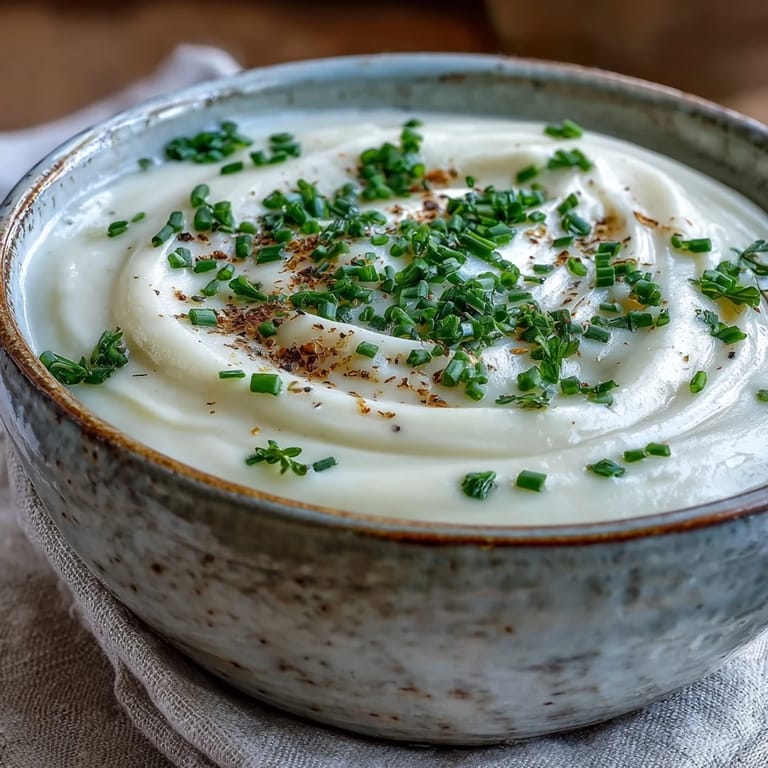
- This final tasting is crucial—the flavors have melded, and now you can decide if it needs more salt, pepper, or even a pinch of nutmeg. Ladle into bowls and add your chosen garnishes.
 Pin it
 I learned the real power of this soup during a family dinner when my picky eater actually asked for seconds. There was no negotiation, no picking around it—just genuine interest in another bowl. That moment taught me that sometimes the simplest recipes carry the most weight in people's lives.
Variations That Work
This soup is adaptable without losing its soul. Add roasted garlic for deeper richness, or swap half the cream for sour cream for a tangier finish. I've made it with leeks instead of onions when I had them on hand, and the result was subtly different but equally comforting. The base is strong enough to handle experimentation.
Make It Ahead and Storage
This soup improves slightly after a day in the fridge as flavors continue to meld. Store it in an airtight container and it will keep for up to 4 days, though I find myself reheating it by the third day. It freezes beautifully for up to 2 months if you freeze it before adding the cream—just thaw and warm through, then stir in fresh cream when you're ready to serve.
Serving Suggestions and Pairings
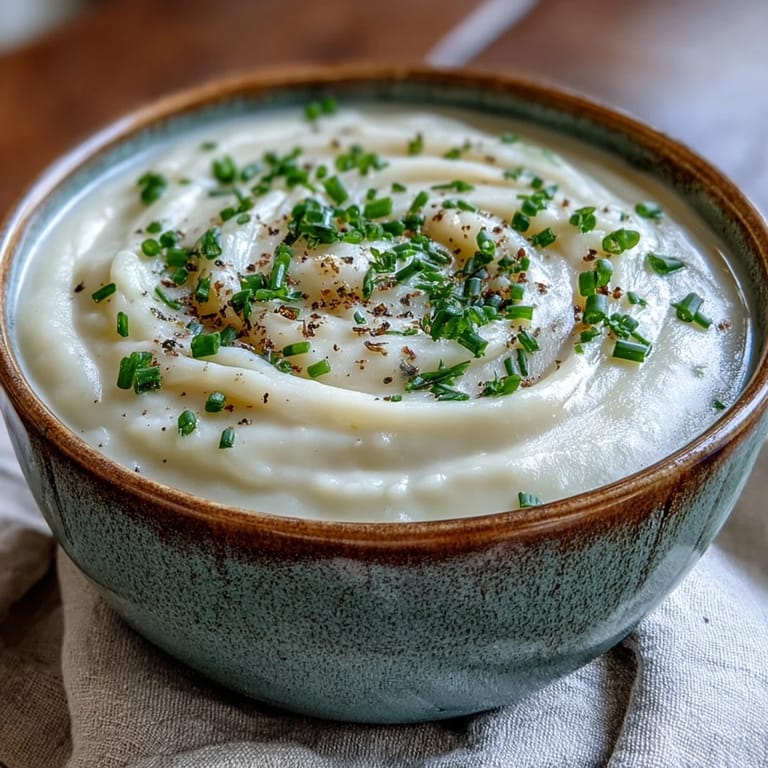
Serve this with crusty bread that you can dip into each spoonful, or alongside a simple green salad for balance. On cold nights, I pair it with grilled cheese sandwiches cut into triangles for dunking, which feels a little indulgent but exactly right. A sprinkle of crispy bacon or fresh herbs transforms a simple bowl into something that feels special without extra effort.
- Top with crumbled bacon and fresh chives for a classic steakhouse-style potato soup.
- Stir in roasted garlic or caramelized onions for deeper, sweeter notes.
- Add a pinch of cayenne or smoked paprika if you want subtle heat and complexity.
 Pin it
 This recipe exists because comfort food doesn't need to be complicated to be meaningful. Make it when you need warmth, share it when someone else does.
Frequently Asked Questions
- → Can I make this soup ahead of time?
Absolutely. This soup actually tastes better the next day as flavors have time to meld together. Store in an airtight container in the refrigerator for up to 3 days. When reheating, warm gently over low heat to prevent the dairy from separating.
- → What type of potatoes work best?
Russet potatoes are ideal for their high starch content, which creates that irresistibly creamy texture when blended. Yukon Gold potatoes also work well and add a slightly buttery flavor. Avoid waxy varieties like red potatoes as they won't break down as smoothly.
- → Can I freeze this soup?
Yes, though the texture may change slightly upon thawing. Freeze before adding the cream and milk for best results. When ready to serve, thaw overnight in the refrigerator, reheat on the stove, and stir in the dairy just before serving.
- → How do I make it vegan?
Substitute the butter with olive oil or vegan butter, swap the whole milk and heavy cream for unsweetened oat milk or coconut cream, and use vegetable broth instead of chicken broth. The result remains satisfyingly creamy and delicious.
- → What can I serve with this soup?
Crusty bread, garlic knots, or homemade croutons are perfect for dipping. A simple green salad with vinaigrette balances the richness. For a heartier meal, pair with a grilled cheese sandwich or serve alongside roasted vegetables.
- → Why add nutmeg?
A pinch of nutmeg enhances the natural sweetness of the potatoes and adds a subtle warmth that complements the creamy base. It's a classic French technique used in many creamy soups and sauces. Start with a small amount as the flavor can become overpowering.