 Save
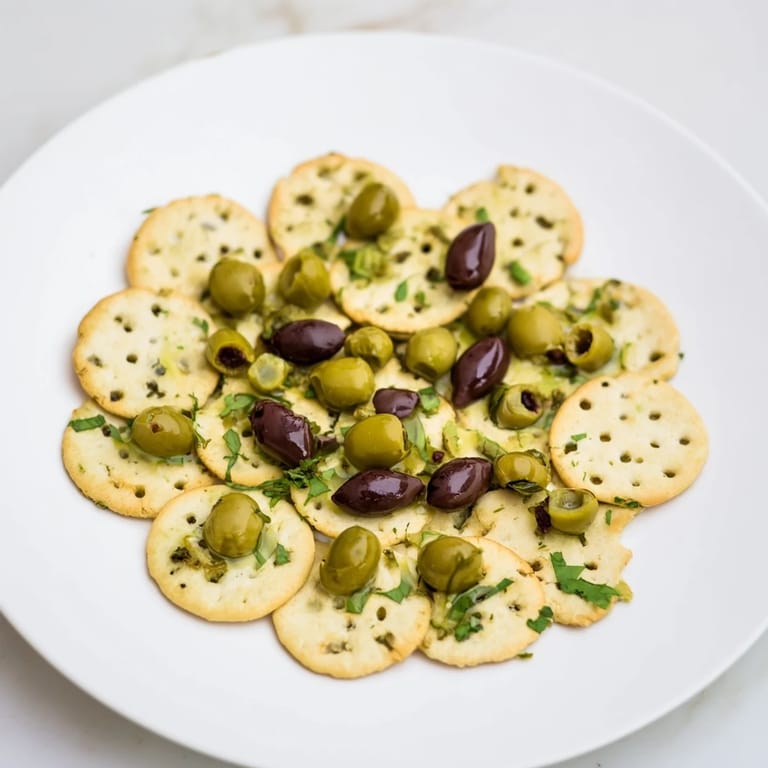
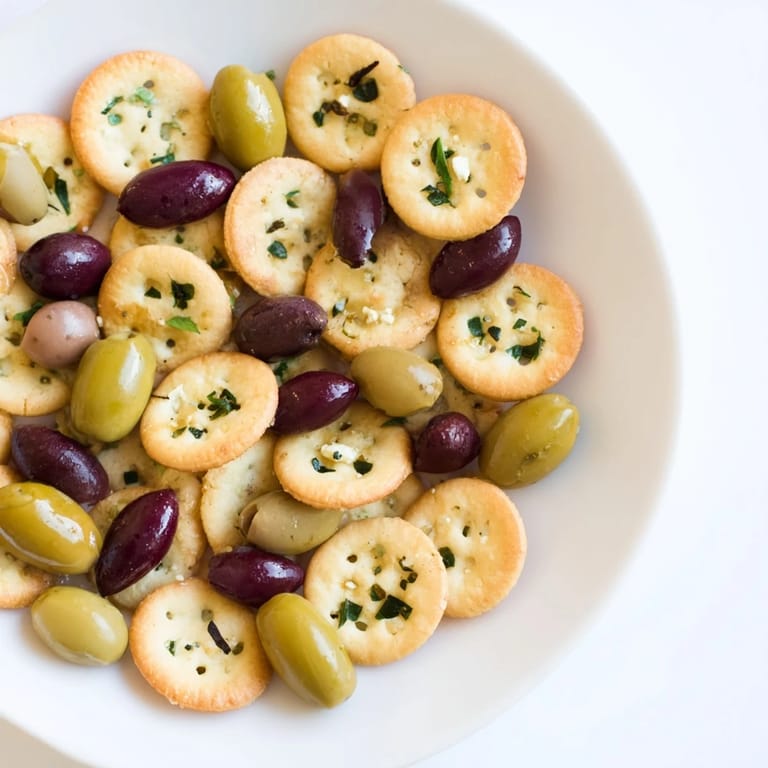
Save I discovered the magic of arranging food like art the first time I set out a platter for unexpected guests arriving on a rainy evening. Instead of panicking about what to serve, I grabbed what I had—crackers, olives, a cutting board—and started playing with the arrangement like I was building something architectural. The whole mood shifted when they walked in and saw this cobblestone pattern staring back at them from the table. It wasn't just appetizers; it was an invitation to slow down and notice.
My neighbor once asked why I always make this for book club, and I realized it's because nobody has to choose between conversation and eating. Everyone naturally picks at it while talking, and the platter somehow disappears without anyone noticing they've been snacking for two hours. There's something about food arranged this way that feels less formal, more like gathering than serving.
Ingredients
- Round crackers (36–40): Pick water crackers, multigrain, or rice—the variety in shape and shade actually makes your cobblestone pattern more authentic and interesting to look at.
- Assorted olives (1 cup, pitted): Mix green Castelvetrano with Kalamatas and black olives; the color variation is what makes this look like real stonework instead of just a snack board.
- Fresh herbs, chopped (2 tbsp): Parsley, thyme, or rosemary scattered over top adds that weathered, lived-in feeling and a whisper of flavor.
- Crumbled feta or goat cheese (1/4 cup, optional): A salty sprinkle that catches light and makes people taste something richer than they expected.
- Extra virgin olive oil (1 tbsp): A light drizzle brings shine and ties all the flavors together without overwhelming the simple elegance.
Tired of Takeout? 🥡
Get 10 meals you can make faster than delivery arrives. Seriously.
One email. No spam. Unsubscribe anytime.
Instructions
- Claim your canvas:
- Pick a large serving platter or charcuterie board that feels generous—you want room to breathe and arrange.
- Build your cobblestones:
- Arrange round crackers close together in an overlapping pattern that looks random and natural, like actual street stones worn smooth by time. Let them nestle against each other without being too perfect.
- Fill the mortar:
- Tuck olives snugly into the gaps between crackers, pressing them in gently so they stay put. This is the moment it actually starts looking like something intentional and architectural.
- Add texture and shine (if you like):
- Sprinkle herbs and cheese across the whole thing if using them, then drizzle lightly with olive oil so everything glistens slightly.
- Present and serve:
- Bring it straight to the table as an interactive centerpiece and watch people light up before they even taste anything.
 Pin it
 I'll never forget when my five-year-old nephew pointed at the platter and said it looked like a treasure map, then spent twenty minutes finding his favorite olives like he was on an adventure. That's when I understood this dish isn't really about the food—it's about giving people permission to engage, to play a little, to make eating social instead of transactional.
Why Arrangement Matters
The cobblestone effect isn't just window dressing. When people see their food arranged with intention, they taste it differently, slower, with more appreciation. I learned this by accident when I once threw the same ingredients on a plate hastily and nobody touched them until I rearranged it. Something about visual beauty changes the entire experience of eating together.
Pairing and Serving
This platter sings alongside crisp white wines like Sauvignon Blanc or a chilled rosé—the acidity cuts through the richness of the olives and cheese. You can also serve it before a meal as a slow-down moment, or let it linger during conversation without feeling like the main event. I've learned that the best appetizers are the ones people forget to feel rushed eating.
Endless Variations
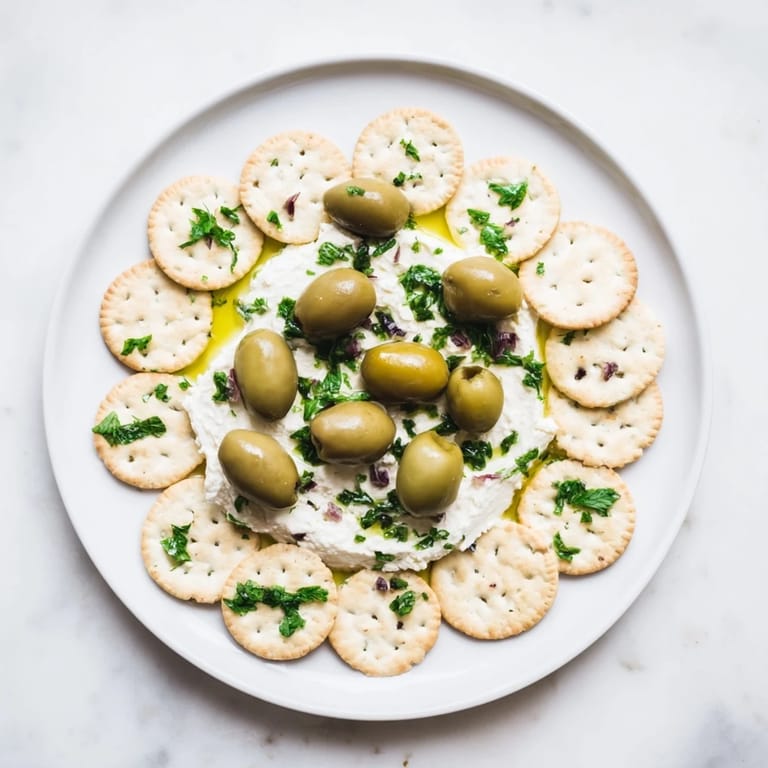
Once you understand the basic principle, this platter becomes a canvas for whatever you have on hand. Roasted nuts add crunch, marinated artichokes bring tang, cherry tomatoes pop with color, and fresh mozzarella pearls catch the light like morning dew. The real lesson is that you're not locked into any one version—you're building a visual and flavor story each time.
- Scout your pantry and farmers market first; the most beautiful platters come from noticing what's actually available, not hunting down exact ingredients.
- Assemble this as close to serving time as possible so crackers stay crisp and everything looks fresh instead of tired.
- Trust yourself to mix and match—the most successful versions are the ones where you made a choice about what matters to you.
 Pin it
 This platter taught me that some of the most memorable food moments happen when you stop trying so hard and start noticing what's actually in front of you. Every time you arrange it, you're creating something unique and a little bit special.
Frequently Asked Questions
- → What type of crackers works best for this platter?
Round crackers such as water crackers, multigrain, or rice crackers work well, offering sturdy texture and a neutral base for the olives and garnishes.
- → Which olives are ideal for the cobblestone effect?
Using a mix of pitted olives like green Castelvetrano, Kalamata, and black olives creates contrast and fills gaps to mimic mortar between the crackers.
- → Can this platter accommodate dietary restrictions?
Yes, gluten-free crackers can be used, and cheese can be omitted for vegan or allergy-friendly versions without compromising the design or flavor.
- → How can the presentation be enhanced further?
Adding roasted nuts, marinated artichokes, or cherry tomatoes enriches texture and color, making the platter even more inviting.
- → What beverages pair well with this appetizer?
Light white wines like Sauvignon Blanc or a crisp rosé complement the fresh and savory elements of this arrangement beautifully.