 Save
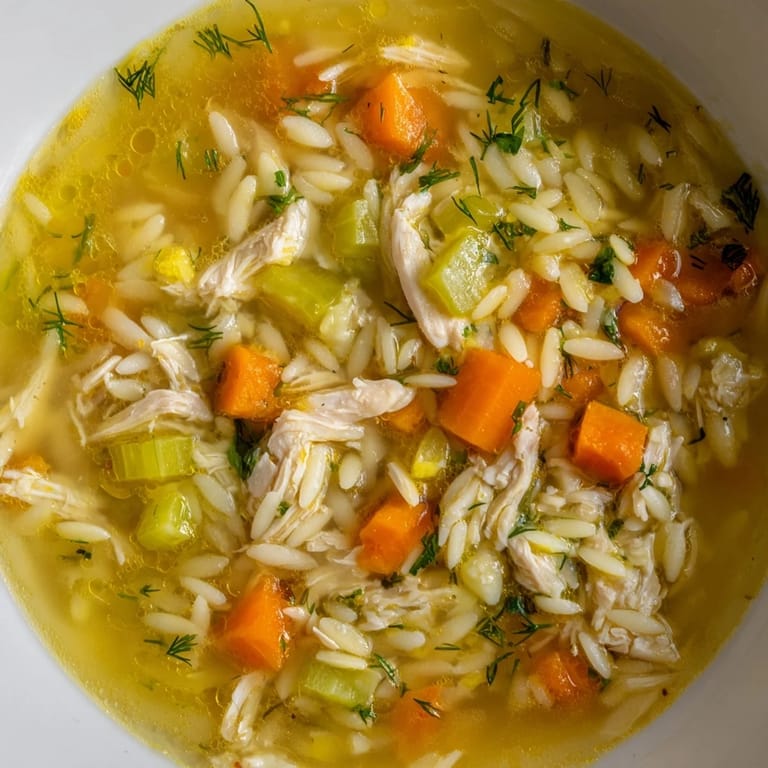
Save Rain was drumming against the kitchen window when I first stirred together this soup on a Tuesday that felt longer than it should have. I wasn't planning anything fancy, just something fast that would feel like a hug in a bowl. The lemon sat on the counter looking hopeful, the orzo was already in the pantry, and leftover chicken from Sunday made the decision easy. What surprised me was how the whole house seemed to exhale once that broth started simmering with garlic and thyme. It became the kind of soup I turn to when I need something gentle and bright at the same time.
I made this for my neighbor after she had surgery, and she called it sunshine in a jar when I dropped it off still warm. She told me later that the lemon and dill reminded her of her grandmother's kitchen in Crete, even though I'd just been winging it with what I had on hand. That's when I realized this soup doesn't need a backstory to feel meaningful. It just needs to be honest, nourishing, and made with a little attention to the details that matter.
Ingredients
- Cooked chicken breast: Shredded or diced works equally well, and this is where leftover rotisserie chicken shines with its subtle seasoning already baked in.
- Yellow onion: Finely chopped so it melts into the broth and adds sweetness without taking over the flavor.
- Carrots: Peeled and diced small enough to cook through quickly but still hold their shape and add a gentle sweetness.
- Celery: Diced to match the carrots, it brings that earthy, aromatic backbone that makes the soup feel complete.
- Garlic: Minced fresh because the fragrance when it hits the hot oil is half the reason this soup smells so good.
- Lemon: Both zest and juice are essential, the zest for fragrance and the juice for that clean, bright finish.
- Fresh dill: Chopped and stirred in at the end so it stays vibrant and doesn't lose its delicate, grassy flavor.
- Fresh parsley: Optional but lovely as a garnish, it adds a pop of color and a hint of freshness.
- Orzo pasta: These tiny rice shaped noodles cook right in the broth and soak up all the flavor as they soften.
- Chicken broth: Low sodium gives you control over the seasoning, and using a good quality broth makes a noticeable difference.
- Olive oil: Used to sauté the vegetables, it adds a subtle richness and helps the aromatics bloom.
- Bay leaf: Adds a quiet depth that you won't notice until you try the soup without it.
- Dried thyme: A pinch is all you need to bring warmth and a hint of earthiness to the broth.
- Salt and black pepper: Adjust to taste at the end because the broth and chicken will already contribute some seasoning.
- Parmesan cheese: Optional but wonderful if you want a little salty, nutty richness on top.
Tired of Takeout? 🥡
Get 10 meals you can make faster than delivery arrives. Seriously.
One email. No spam. Unsubscribe anytime.
Instructions
- Start with the vegetables:
- Heat olive oil in a large pot over medium heat and add the chopped onion, carrot, and celery. Sauté for about 5 minutes, stirring occasionally, until everything softens and the onion turns translucent.
- Build the aromatics:
- Stir in the minced garlic, dried thyme, and bay leaf, cooking for just 1 minute until the kitchen smells incredible. Don't let the garlic brown or it will turn bitter.
- Add the broth:
- Pour in the chicken broth and bring everything to a rolling boil. The vegetables will start to release their flavors into the liquid as the heat rises.
- Cook the orzo:
- Add the orzo pasta and reduce the heat to a simmer, stirring occasionally for 8 to 10 minutes until the orzo is just tender. Watch it closely because orzo can go from perfect to mushy quickly.
- Stir in the chicken and lemon:
- Add the cooked chicken, lemon zest, and lemon juice, then simmer for another 3 to 4 minutes to heat the chicken through. The lemon will brighten the entire pot instantly.
- Season and finish:
- Remove the bay leaf and stir in the fresh dill, salt, and pepper. Taste and adjust the lemon juice or seasoning as needed because balance is everything here.
- Serve:
- Ladle the soup into bowls and garnish with fresh parsley and a sprinkle of Parmesan if you like. Serve it hot with crusty bread on the side.
 Pin it
 The first time I served this to my family, my younger brother asked for seconds before he even finished his first bowl. He's not usually the type to say much about food, but he looked up between spoonfuls and said it tasted clean, which I took as the highest compliment. That night, the soup felt less like dinner and more like the thing that brought us all back to the table after a scattered week. It's funny how something so simple can do that.
How to Make It Your Own
This soup is forgiving in the best way, which means you can adjust it based on what you have or what sounds good. If you want a richer, silkier texture, try the Greek avgolemono method by whisking two egg yolks with a ladle of hot broth, then stirring it into the pot off the heat. You can swap the orzo for rice if you need it gluten free, or toss in a handful of spinach or frozen peas during the last few minutes of cooking for extra color and nutrition. I've also made this with leftover turkey after Thanksgiving, and it worked beautifully.
What to Serve Alongside
This soup is light enough that it pairs well with something hearty on the side without feeling like too much. I love serving it with warm pita bread or a crusty baguette for dipping, and a simple green salad with olive oil and lemon keeps the meal feeling fresh and bright. If you want something more filling, roasted vegetables or a slice of focaccia would round it out nicely. The soup is also perfect on its own for a light lunch, especially if you add a little extra chicken or vegetables to make it more substantial.
Storage and Reheating Tips
Leftovers keep well in the fridge for up to three days, though the orzo will soak up more broth as it sits and the soup will thicken. When reheating, add a little extra chicken broth or water to loosen it back up, and warm it gently on the stove over medium low heat. I don't recommend freezing this soup because the orzo tends to get mushy and lose its texture once thawed, but if you plan to freeze it, cook the orzo separately and add it fresh when you reheat.
- Store in an airtight container in the fridge and reheat within three days for the best flavor and texture.
- If the soup thickens too much, thin it with broth or water and adjust the seasoning with a squeeze of fresh lemon.
- Garnish with fresh dill or parsley right before serving to bring back that just made brightness.
 Pin it
 This soup has become one of those recipes I return to when I need something uncomplicated but deeply satisfying. It's the kind of dish that reminds you that good food doesn't have to be complicated, just thoughtful and made with care.
Frequently Asked Questions
- → Can I use raw chicken instead of cooked?
Yes. Cut raw chicken breast into small chunks and add it when you pour in the broth. Simmer for 12-15 minutes until cooked through before adding the orzo.
- → What's the best way to get the most lemon flavor?
Use both zest and juice. Add the zest early with the garlic for depth, then finish with fresh juice just before serving. Taste as you go and adjust to your preference.
- → Can I make this gluten-free?
Absolutely. Swap the orzo for rice, quinoa, or gluten-free pasta. Use the same cooking method, adjusting the timing based on your grain choice.
- → How should I store and reheat leftovers?
Store in an airtight container in the refrigerator for up to 3 days. Reheat gently on the stovetop over medium heat, adding broth if needed to maintain consistency. Avoid boiling to preserve the delicate flavors.
- → What's the avgolemono variation mentioned?
It's a Greek-style enrichment. Whisk egg yolks with lemon juice, then slowly temper them by adding hot broth while stirring. Remove the pot from heat, stir the mixture in gently, and serve immediately for a creamy, velvety texture.
- → Can I add other vegetables to this?
Definitely. Spinach, peas, zucchini, or green beans work beautifully. Add hardy vegetables with the initial sauté, and tender ones like spinach in the final minutes of cooking.