 Save
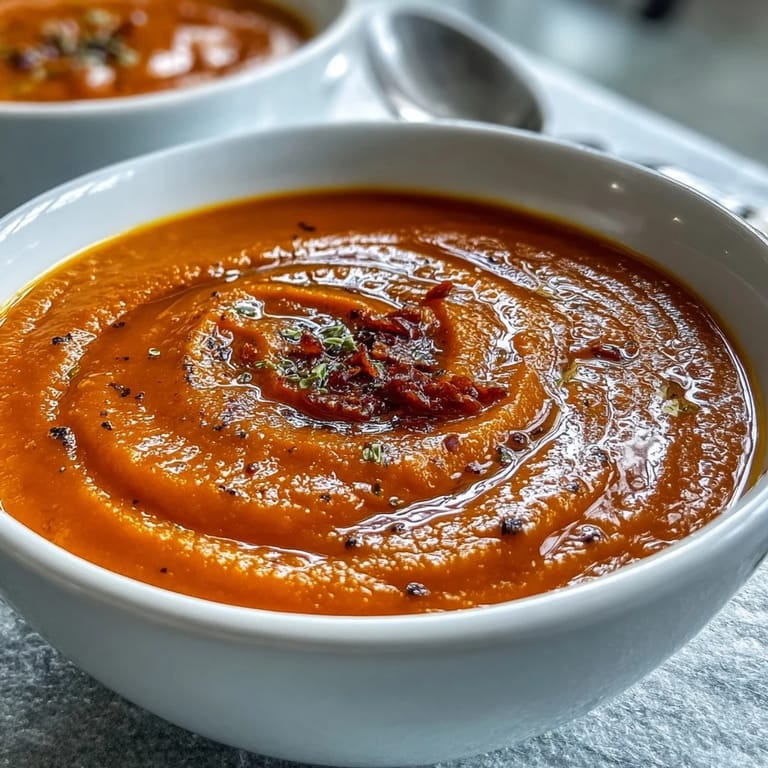
Save There's something magical about the way ginger announces itself in a kitchen—that sharp, almost peppery aroma that makes you feel instantly awake. I discovered this soup quite by accident one autumn afternoon when I had a surplus of carrots from the farmer's market and a knob of ginger that had been sitting in my crisper drawer. What started as a simple way to use them up became something I've made countless times since, each batch tasting like comfort in a bowl.
I made this soup for my neighbor who had just returned from the hospital, and watching her face light up at that first spoonful reminded me why home cooking matters. She asked for the recipe before she'd even finished the bowl, which felt like the highest compliment. Now whenever I see her, she mentions how often she's made it, and somehow that simple act of sharing has become one of my favorite kitchen memories.
Ingredients
- Olive oil: Just a tablespoon is enough to build your flavor base; it's the gentle foundation that lets everything else shine.
- Medium onion, diced: This becomes almost invisible in the final soup, but it adds a subtle sweetness that rounds out the sharper ginger notes.
- Garlic cloves, minced: Two cloves keeps things balanced—too much and it overshadows the delicate carrot flavor you're after.
- Carrots, peeled and sliced: About 700 grams (roughly 6 medium carrots); the fresher they are, the brighter and more natural the sweetness.
- Fresh ginger, peeled and finely grated: This is non-negotiable for the character of the soup; bottled ginger juice won't give you the same warmth and complexity.
- Vegetable broth: Four cups of good quality broth makes all the difference—read labels if you need gluten-free, as many brands hide wheat in unexpected places.
- Coconut milk: Optional but worth trying; a cup adds a luxurious creaminess without dairy, though the soup is perfectly lovely without it.
- Sea salt and freshly ground black pepper: Season to your preference toward the end—taste as you go rather than committing to exact amounts.
- Lemon juice: Half a lemon's worth brightens everything just before serving, lifting the flavors so they feel alive on your tongue.
Tired of Takeout? 🥡
Get 10 meals you can make faster than delivery arrives. Seriously.
One email. No spam. Unsubscribe anytime.
Instructions
- Build your aromatic base:
- Heat the olive oil in your pot over medium heat, then add the diced onion. Let it soften for about 3–4 minutes, stirring occasionally, until it turns translucent and loses that sharp raw edge. You're not looking for color here, just tenderness and the beginning of sweetness.
- Wake up the seasonings:
- Stir in your minced garlic and freshly grated ginger, and keep stirring for just about a minute. That's when the magic happens—the kitchen fills with this warm, inviting scent that tells you everything is working.
- Introduce the carrots:
- Add your sliced carrots to the pot and give everything a good stir, letting them cook in that ginger-infused oil for another 2 minutes. This brief cooking time helps them absorb all those bright flavors.
- Simmer until tender:
- Pour in your vegetable broth and bring it to a boil over medium-high heat, then reduce the heat and cover the pot. Let it simmer gently for 20–25 minutes until the carrots are so tender they practically dissolve when you touch them with a spoon. You'll know it's right when there's no resistance.
- Blend to silky smoothness:
- Remove the pot from heat and use an immersion blender to puree everything until completely smooth, working in a few passes to make sure there are no stubborn chunks. If you're using a countertop blender, let the soup cool slightly, then blend in batches, being careful with the hot liquid.
- Finish with richness and brightness:
- Stir in your coconut milk if you're using it, squeeze in that lemon juice, and season with salt and pepper. Let it warm gently for another 2–3 minutes, tasting as you adjust the seasoning to your preference.
- Serve with intention:
- Ladle into bowls and consider a drizzle of coconut milk, a sprinkle of fresh cilantro, or even some toasted pumpkin seeds on top if you have them on hand.
 Pin it
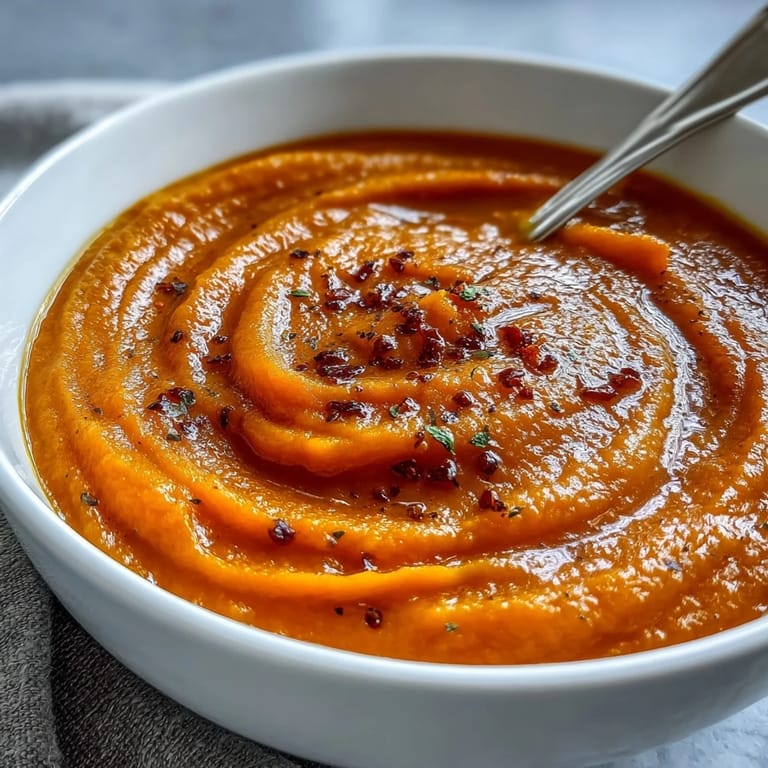
 My daughter once asked why soup that looked orange tasted almost green, because of the way that ginger makes your mouth feel cool and alive even as the warmth spreads down your throat. I couldn't quite explain the sensory paradox, but somehow she understood exactly what I meant. That moment made me realize this soup is about more than just feeding someone—it's about creating an experience worth remembering.
The Secret to Carrot Sweetness
Carrots have a natural sugar content that becomes even more pronounced when they're roasted or simmered in liquid, which is why this soup tastes almost like dessert in the best way. I learned this the hard way when I tried adding a tablespoon of honey once, thinking it would enhance the sweetness—it didn't. The carrots are already doing that job beautifully if you let them simmer long enough to become completely tender.
Why Fresh Ginger Matters
Powdered ginger is convenient, but it tastes almost one-dimensional compared to fresh ginger's complex, spicy warmth. The oils in fresh ginger are volatile, meaning they release their flavor most intensely right when you grate them, so don't prep your ginger too far in advance. I've learned to grate it directly over the pot whenever possible, which means you get the full benefit of that aromatic punch.
Customization and Storage
This soup stores beautifully in the refrigerator for up to four days, and it actually tastes even better the next day when the flavors have had time to mingle and deepen. For freezing, leave out the lemon juice until you reheat and serve, which keeps the brightness intact rather than allowing it to fade over weeks in the cold.
- Try adding a pinch of ground cumin or coriander along with the ginger for an earthier, almost warming-spice depth.
- Swap the coconut milk for heavy cream if you need dairy, or leave it out entirely for a lighter, more refreshing version.
- Leftovers can be transformed into a sauce for grain bowls or roasted vegetables if you blend it extra smooth and reduce the amount of broth.
 Pin it
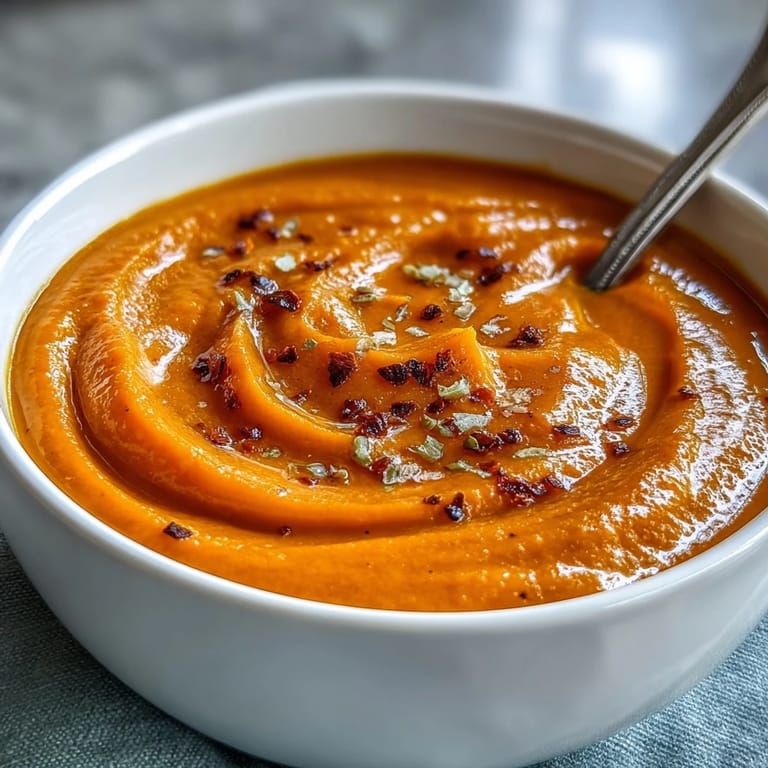
 This soup has become my go-to comfort offering, the thing I make when someone needs nourishment but also a little bit of care. There's something timeless about stirring a pot of warm soup and knowing it's going to make someone feel a little bit better.
Frequently Asked Questions
- → Can I make this soup ahead of time?
Absolutely. This soup actually tastes better the next day as flavors have time to meld. Store in an airtight container in the refrigerator for up to 4 days.
- → Is coconut milk necessary?
Not at all. Coconut milk adds lovely creaminess but you can substitute heavy cream, or simply omit for a lighter version while still achieving a velvety texture.
- → Can I freeze this soup?
Yes, freeze in portions for up to 3 months. Thaw overnight in the refrigerator then reheat gently on the stove, adding a splash of liquid if needed.
- → What can I serve with this soup?
Crusty bread makes an excellent accompaniment for dipping. The soup also pairs beautifully with a simple green salad or sandwich for a complete meal.
- → How do I adjust the ginger intensity?
Start with 1 tablespoon if you prefer a milder flavor, then add more to taste. Ginger intensity varies, so it's best to add gradually.