 Save
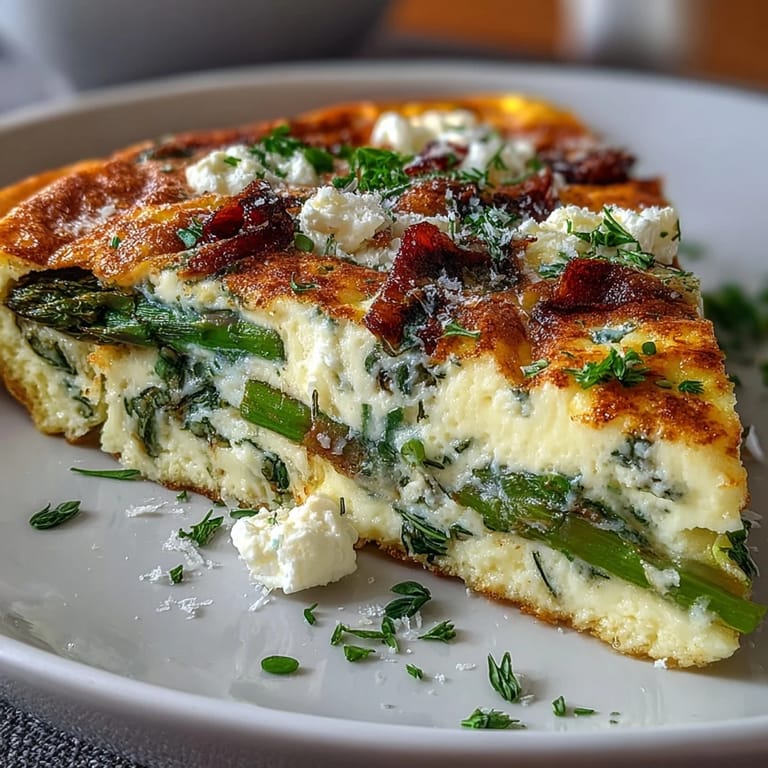
Save There's something about the smell of asparagus hitting hot oil that signals spring has finally arrived in the kitchen. My neighbor brought over a bunch from her garden one Saturday morning, and instead of the usual scrambled eggs, I decided to build something more impressive—a frittata that could sit pretty on a brunch table. The way the goat cheese melts into those tender egg curds, tangled with fresh herbs and just-cooked asparagus, felt like cooking something that tasted like the season itself.
I made this for my sister's birthday brunch last May, and watching her face light up when she tasted it—that moment of realization that homemade food can be both simple and elegant—that's when this recipe became something I'd make again and again. She asked for the recipe that afternoon, and now it's her go-to dish when she wants to feel like a real cook.
Ingredients
- Asparagus (about 200 g, cut into 2 cm pieces): Fresh asparagus is the star here, and trimming the woody ends matters more than you'd think—snap each piece by bending it gently until it breaks naturally at its tender point.
- Red onion (1 small, finely chopped): The sharpness mellows beautifully when sautéed, adding subtle sweetness and color that makes the finished frittata look alive.
- Baby spinach (1 cup, roughly chopped): Wilts down dramatically in seconds, bringing earthiness and nutrition without overwhelming the delicate flavors.
- Large eggs (6): This is your foundation—make sure they're room temperature if you have time, though honestly it's not a deal-breaker.
- Whole milk (1/4 cup): Creates that silky, custardy texture in the center; don't skip it thinking water or cream will do the same thing.
- Goat cheese (100 g, crumbled): Tangy and creamy, it stays slightly pockets of richness throughout; feta works too if that's what's in your fridge.
- Grated Parmesan cheese (2 tbsp): Adds a subtle nuttiness and helps the top turn golden in the oven.
- Fresh chives (2 tbsp, finely sliced): Their delicate onion flavor never overpowers; slice them right before using so they stay bright.
- Fresh dill (1 tbsp, chopped): Optional but worth hunting for—it whispers rather than shouts, pairing perfectly with asparagus.
- Salt and black pepper: Season generously but remember the cheese brings salt too, so taste as you go.
- Red pepper flakes: A pinch at the end adds a whisper of heat that wakes everything up.
- Olive oil (2 tbsp) and unsalted butter (1 tbsp): The combination gives you a higher smoke point and richer flavor than oil alone.
Tired of Takeout? 🥡
Get 10 meals you can make faster than delivery arrives. Seriously.
One email. No spam. Unsubscribe anytime.
Instructions
- Heat your oven and pan:
- Get your oven preheating to 180°C (350°F) first—you want it ready when the eggs go in. Use a 25–28 cm ovenproof skillet, and if you have cast iron, it's your best friend here because it holds heat like a dream.
- Sauté the onions:
- Warm the olive oil and butter together over medium heat until they're fragrant and the butter's stopped foaming. Add your red onion and let it soften for 2–3 minutes, stirring occasionally until it turns translucent and sweet.
- Cook the asparagus:
- Toss in your asparagus pieces and cook for 4–5 minutes, stirring now and then, until they're tender but still have a little snap to them. You want them cooked through but not mushy—that's the texture that makes people notice.
- Wilt the spinach:
- Add your spinach and let it cook down for about a minute until it's completely wilted and any excess moisture has mostly cooked off. This keeps your frittata from becoming watery.
- Prepare the egg mixture:
- In a separate bowl, whisk together your eggs, milk, salt, pepper, and half of the chives and dill until everything is well combined and the mixture is pale and slightly foamy.
- Combine everything:
- Turn your skillet heat down to low and pour the egg mixture slowly and evenly over the vegetables. Gently stir to distribute everything, then dollop the crumbled goat cheese across the top and sprinkle with Parmesan.
- Start cooking on the stovetop:
- Let the frittata cook undisturbed for 4–5 minutes, just until the edges begin to set and look slightly firm while the center is still noticeably runny. You're looking for that moment when the bottom won't jiggle dramatically if you tilt the pan.
- Finish in the oven:
- Transfer your skillet to the preheated oven and bake for 10–12 minutes until the center is just set—it should still have a tiny bit of jiggle in the very middle, not be completely rigid. The top should be lightly golden but not brown.
- Rest and garnish:
- Let the frittata rest in the pan for 5 minutes after pulling it from the oven; this lets the eggs firm up just enough to slice cleanly. Scatter the remaining fresh herbs and a pinch of red pepper flakes on top right before serving.
 Pin it
 There was this moment at that brunch when everyone was quiet for a few seconds after their first bite, and then they all started talking at once—asking questions, complimenting, planning when they'd make it themselves. That's when I realized this frittata had become more than breakfast; it was a conversation starter, a small reason to gather around a table on a spring morning.
Why Spring Vegetables Matter Here
Spring vegetables have this tender, delicate sweetness that wouldn't work the same way if you tried this in December with storage vegetables. The asparagus brings a grassy, almost mineral quality that plays beautifully against the tangy goat cheese, while fresh herbs—chives and dill especially—give you brightness you can't bottle up any other time of year. There's a reason people talk about spring cooking being different; it genuinely is.
Making It Your Own
The beauty of a frittata is that it's a template, not a rule book. Once you understand how eggs, dairy, and vegetables work together, you can riff endlessly. I've made versions with leeks and thyme in early spring, added peas when they showed up at the market, even crumbled some crispy bacon in there once because why not. The core technique stays the same—what changes is what's in season and what catches your eye.
Serving and Pairing
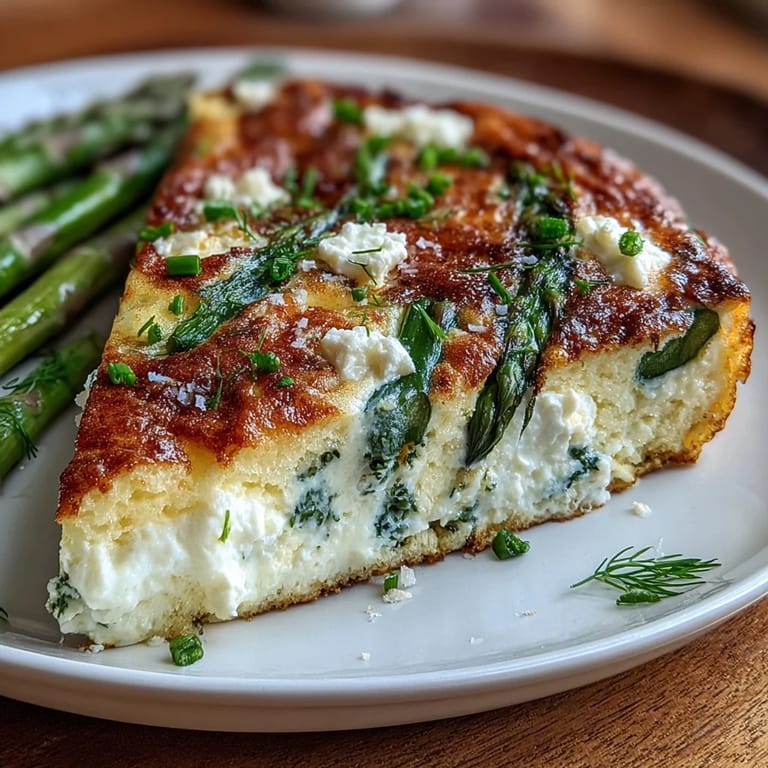
Serve this warm straight from the skillet if you're cooking for friends who are sitting right there, or let it cool to room temperature—it's honestly delicious either way, which makes it perfect for spring gatherings where timing is unpredictable. Pair it with a simple green salad dressed in lemon vinaigrette, some crusty bread for soaking up any escaped goat cheese, and a glass of crisp white wine or sparkling rosé if the occasion calls for it.
- If you're meal-prepping, this keeps in the fridge for three days and tastes great on day two when the flavors have had time to meld.
- Cut it into smaller wedges and serve at room temperature as part of a brunch spread with other dishes, or give people a thick slice as the main event.
- Leftovers reheat gently in a low oven—never the microwave, which will turn the eggs tough and weird.
 Pin it
 Every time I make this frittata, I'm reminded that the best meals don't require complicated techniques or obscure ingredients—just good instincts, fresh produce, and the willingness to cook something that looks impressive but feels entirely approachable. This is a recipe that builds confidence in the kitchen.
Frequently Asked Questions
- → How do I know when the frittata is cooked?
The edges should be set and lightly golden, while the center remains just firm when done. A gentle jiggle indicates it’s cooked through but still moist inside.
- → Can I substitute goat cheese with other cheeses?
Yes, feta or ricotta work well as alternatives and offer different creamy textures and flavors.
- → What is the best way to prepare the asparagus for this dish?
Trim the woody ends and cut into 2 cm pieces to ensure even cooking and tender bites.
- → Is it necessary to use fresh herbs?
Fresh herbs like chives and dill add bright, aromatic notes, but dried herbs can be used sparingly if fresh aren’t available.
- → Can this dish be made ahead and reheated?
Yes, it can be prepared in advance, stored in the refrigerator, and gently reheated to maintain its texture and flavor.