 Save
Save I discovered Green Goddess sauce by accident while cleaning out my fridge one spring afternoon, staring at an alarming pile of herbs that were about to wilt. What started as a desperate attempt to use them up before they turned brown became something I now make on purpose, constantly. That first taste—bright, creamy, herbaceous—convinced me I'd stumbled onto something special, the kind of sauce that makes you wonder why you ever settled for red.
I made this for my mom on a random Tuesday evening when she'd had a terrible day, and watching her face light up at that first forkful reminded me that food doesn't need to be complicated to matter. She asked for the recipe before she'd even finished her plate, and now she makes it constantly, texting me photos of her variations with different pasta shapes and whatever green she finds at the market.
Ingredients
- Baby spinach: 2 cups packed—the foundation of the sauce, giving you that vibrant color and gentle earthiness without any harsh bitterness.
- Green cabbage: 1 cup chopped—adds a subtle sweetness and body that keeps the sauce from feeling too soft, plus it's always cheaper than buying extra greens.
- Fresh parsley: 1/2 cup leaves—the workhorse herb, bright without overwhelming, and it's the one herb that's actually available year-round.
- Fresh basil: 1/2 cup leaves—this is where the sauce gets its soul, so don't use the dried stuff or you'll lose the magic.
- Fresh chives: 1/4 cup—they add an oniony whisper that makes people ask what's different about this sauce.
- Fresh tarragon: 1/4 cup optional—if you can find it, use it; it brings an almost floral note that feels unexpectedly sophisticated.
- Garlic: 2 cloves—raw garlic blended in stays sharp and alive, cutting through the cream beautifully.
- Green onions: 2 chopped—use both the white and green parts for maximum flavor, they're too good to waste.
- Avocado: 1 small, peeled and pitted—the secret ingredient that makes the sauce creamy without needing heavy cream; pick one that yields slightly to pressure.
- Greek yogurt or sour cream: 1/2 cup—yogurt keeps it lighter, sour cream makes it richer; choose based on your mood.
- Mayonnaise: 1/4 cup—it emulsifies everything into silk, so don't skip it even though it sounds unhealthy.
- Parmesan cheese: 1/4 cup grated—adds umami and a little texture, freshly grated if you have the time.
- Lemon juice: 2 tablespoons fresh squeezed—bottled juice tastes flat, and this is where the brightness comes from, so don't cut corners.
- White wine vinegar: 1 teaspoon—balances the richness without adding harshness, use less if you're sensitive to vinegar.
- Olive oil: 1/4 cup—pours it all together and adds a gentle fruity note, extra virgin makes a difference.
- Salt and black pepper: 1/2 teaspoon salt plus more to taste, 1/4 teaspoon pepper—season to your preference, you can always add more.
- Red pepper flakes: A pinch optional—for people who like heat, which adds complexity beyond just spice.
- Pasta: 12 oz dried—linguine, spaghetti, or penne all work, but I prefer something with ridges to catch the sauce.
Tired of Takeout? 🥡
Get 10 meals you can make faster than delivery arrives. Seriously.
One email. No spam. Unsubscribe anytime.
Instructions
- Bring water to a rolling boil:
- Fill a large pot with water, salt it generously like you're seasoning the ocean, and let it heat until you can't ignore it anymore. This takes about 10 minutes if you're patient, or you can walk away and come back to find it boiling.
- Cook the pasta to al dente:
- Drop the pasta in when the water is truly boiling and stir immediately so nothing sticks together. Check the package timing, but taste a piece about a minute before the suggested time ends—you want it tender but with a tiny bit of resistance when you bite it, not mushy.
- Save your liquid gold:
- Before draining, grab a measuring cup and scoop out 1/2 cup of that starchy pasta water, which is the secret to making the sauce coat properly without getting too thick. This water has magic in it, honestly.
- Build the sauce:
- While the pasta cooks, dump all the greens, herbs, yogurt, mayo, Parmesan, lemon juice, vinegar, olive oil, and seasonings into your blender or food processor. The avocado goes in here too, and don't be scared about browning because the acid from the lemon juice keeps it bright.
- Blend until it flows:
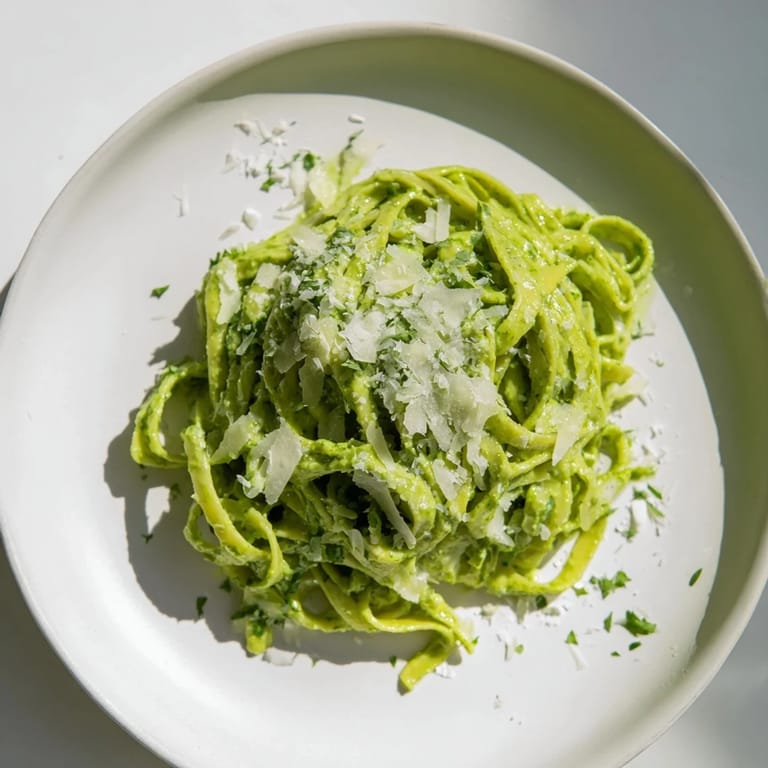
- Pulse first, then blend until you have something smooth and creamy that looks like it could pour—if it's still chunky, scrape down the sides and keep going. It should look almost like a thick frosting, but way more herbaceous and way less sweet.
- Thin it out with pasta water:
- Add the reserved pasta water 1 tablespoon at a time, blending after each addition, until the sauce reaches that pourable consistency where it coats a spoon but still feels substantial. You might not need all of it, or you might need all of it plus more, depending on how wet your greens were.
- Taste and adjust:
- Take a spoon and really taste it—this is your moment to decide if it needs more salt, more lemon juice for brightness, more pepper for complexity, or maybe a pinch more red pepper flakes. This step matters because seasoning is personal and your palate knows what it wants.
- Coat the hot pasta:
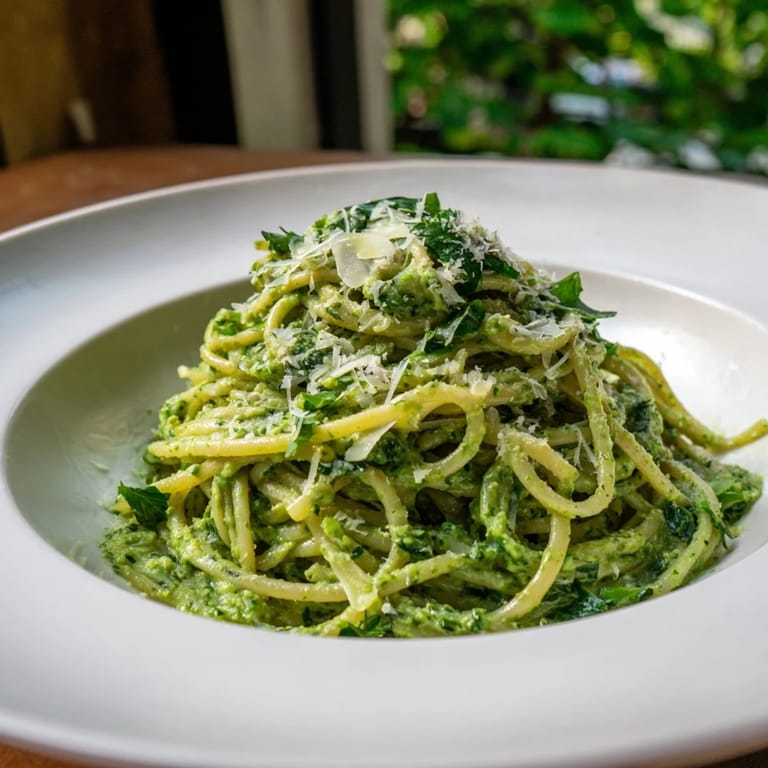
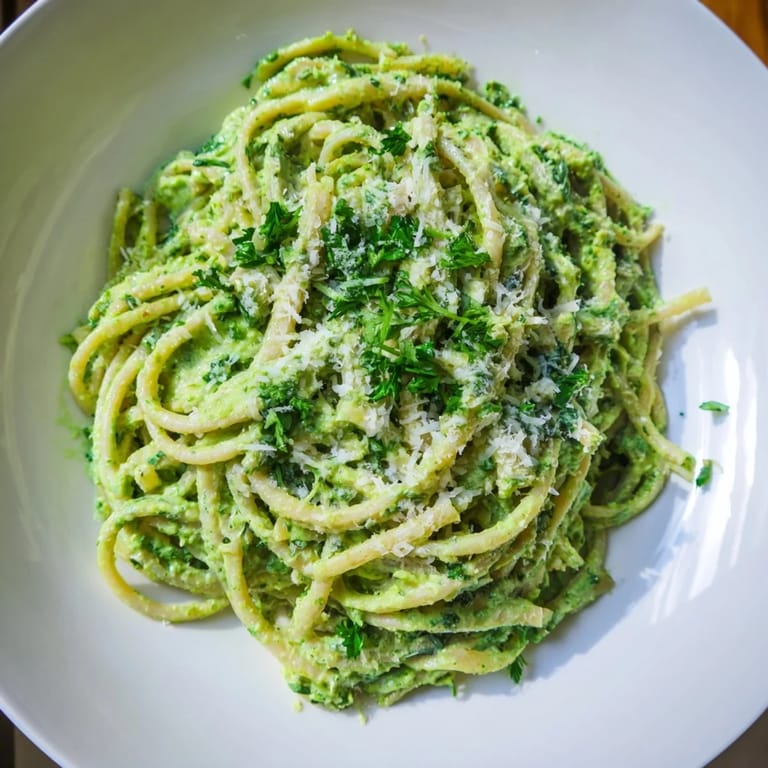
- Pour the green sauce into that still-warm pasta and toss it until every strand is covered in gorgeous green—the heat helps the sauce settle in and prevents it from pooling at the bottom of the bowl.
- Serve immediately:
- Get this onto plates right away while it's still warm and the sauce is still clinging to the pasta instead of separating. A handful of fresh herbs and maybe a little more Parmesan on top makes it feel finished.
 Pin it
 The first time I served this to someone who'd been skeptical about 'green sauce,' watching them go quiet for a moment and then smile told me everything I needed to know about how people respond when food surprises them in the best way. It's become the thing I make when I want to impress someone without seeming like I'm trying too hard.
Why This Sauce Came to Exist
Green Goddess dressing has been around since the 1920s, born in San Francisco at a hotel where someone had the brilliant idea of turning fresh herbs into something creamy and pourable. Turning it into a pasta sauce instead of just a salad dressing felt like the obvious next step, like rediscovering something that was always meant to be. The combination of fresh greens, rich dairy, and herbs came straight from that classic, but making it work as a sauce meant adjusting ratios and adding avocado for creaminess instead of relying on heavy cream, which felt more honest somehow.
Making This Your Own
The beauty of this sauce is that it works with whatever herbs you have growing in your garden or bought at the market that week—if you can't find tarragon, skip it and use more basil instead. I've made versions with dill, cilantro, or arugula on days when that's what I had, and each time it tastes different but equally good, which means you're not locked into one single way of making it. The pasta shape matters a little bit—I use penne or rigatoni when I'm feeling like I want the sauce in every bite, but linguine and spaghetti work just fine if that's what you have.
Storage and Serving Ideas
This sauce keeps in the fridge for about three days, though the color darkens slightly and the flavor becomes more muted as the herbs oxidize, so making it fresh is always better. You can also make the sauce ahead and toss it with pasta right before serving, or serve it warm over hot pasta or even cold as a pasta salad the next day—both work, though warm is definitely my preference.
- If you're making a cold pasta salad, use a little less sauce than you think you need because the pasta will absorb liquid overnight and the flavors will intensify.
- Toasted walnuts or pine nuts stirred in at the end add a richness and crunch that makes it feel more special, and the nuts stay crisp even after sitting with the sauce.
- This pairs beautifully with a crisp white wine like Sauvignon Blanc or Grüner Veltliner, and both are affordable enough to drink without the occasion being special.
 Pin it
 This is the sauce I come back to when I want to feel like I've made something special without the stress, when I have greens that need using up, or when I just want to remember why I love cooking. It's simple enough to make on a Tuesday and fancy enough to feel like you tried.
Frequently Asked Questions
- → What greens are used in this sauce?
Baby spinach, green cabbage, fresh parsley, basil, chives, and optional fresh tarragon create the vibrant base for the sauce.
- → How is the sauce made creamy?
The creamy texture comes from blending avocado with Greek yogurt (or sour cream), mayonnaise, and Parmesan cheese, resulting in a rich and smooth consistency.
- → Can this blend be adjusted for different consistencies?
Yes, reserved pasta cooking water is added gradually to achieve a pourable, smooth sauce that coats pasta evenly.
- → Are there vegan alternatives available?
For a vegan version, plant-based yogurt and vegan mayonnaise can replace dairy ingredients, and Parmesan can be omitted or replaced with a vegan substitute.
- → What types of pasta work best?
Long noodles like linguine, spaghetti, or penne are excellent choices as they hold the sauce well and provide a balanced bite.
- → How can the flavor be enhanced?
Adding a handful of toasted walnuts or pine nuts adds richness, while seasoning with extra salt, pepper, or lemon juice can brighten the flavor.