 Save
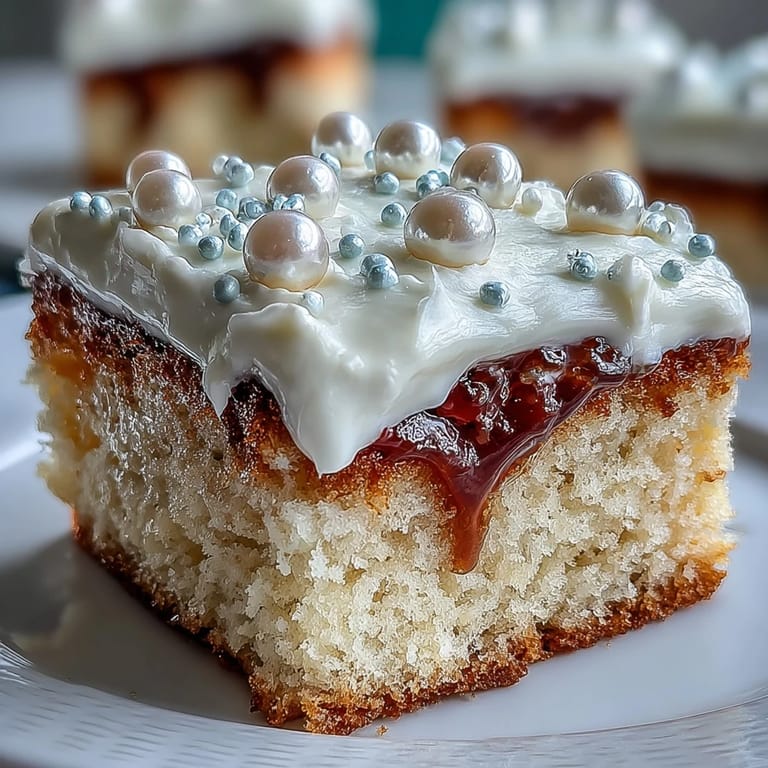
Save My cousin whispered the entire blessing before we cut into this cake at her daughter's First Communion, and I realized then why certain desserts matter beyond taste. The fondant caught the afternoon light like a pearl itself, and when I finally tried a slice, the cake was so tender it practically melted. There's something about baking for milestones that makes you slow down, measure twice, and actually think about what you're creating instead of just following steps. This sheet cake became my go-to for celebrations because it's forgiving enough for a home baker yet elegant enough to feel like a professional bakery made it.
I'll never forget my neighbor poking her head over the fence fence that Saturday morning, asking what smelled so good, and then staying for coffee to watch me frost the cake. She brought edible pearls from some specialty shop she knew about, and we spent thirty minutes arranging them like we were designing stained glass. That's when I understood this recipe wasn't just about the ingredients—it was about the permission to make something beautiful, slowly, with whoever wandered into your kitchen.
Ingredients
- All-purpose flour (3 cups): Three cups gives structure without heaviness; sifting isn't required here, but do spoon it gently into your measuring cup rather than scooping directly from the bag, which compacts it.
- Baking powder (2½ tsp): Fresh baking powder matters enormously—if yours has been sitting open for months, the cake won't rise as promised, so consider replacing it each season.
- Unsalted butter (2 cups total): Room temperature butter creams properly with sugar; if it's cold, you'll end up with a dense cake that no amount of beating will fix.
- Granulated sugar (2 cups): The sweetness here is balanced so the cake isn't cloying; this ratio also contributes to the tenderness that makes people come back for seconds.
- Eggs (4 large, room temperature): Room temperature eggs incorporate smoothly into the batter, creating that light crumb structure; cold eggs fight the mixture and can lead to separation.
- Whole milk (1¼ cups): Milk adds moisture and tenderness compared to water, and it won't curdle when combined with the acidic buttermilk alternative if you ever need to adapt.
- Powdered sugar (4 cups): Sifted powdered sugar ensures a silky buttercream without lumps that can snag your fondant; I've learned this the hard way.
- White ready-to-roll fondant (2 lbs): Quality fondant is essential—cheaper brands crack and resist smoothing, while good fondant feels like satin under your hands.
- Pearl luster dust: This is what transforms ordinary fondant into something that glimmers like candlelight; it's food-safe and absolutely worth the small investment.
Tired of Takeout? 🥡
Get 10 meals you can make faster than delivery arrives. Seriously.
One email. No spam. Unsubscribe anytime.
Instructions
- Preheat and prepare your stage:
- Set your oven to 350°F and grease that half-sheet pan generously, then line it with parchment paper so the cake releases cleanly. This step takes two minutes and saves you from frustration later.
- Combine your dry ingredients:
- Whisk flour, baking powder, and salt together in a medium bowl and set it aside—this distributes the leavening evenly so every bite rises the same way. Think of it as seasoning the flour itself.
- Cream the butter and sugar until billowing:
- Beat them together for about three minutes until the mixture looks pale and fluffy, like you're whipping air into butter. You'll see the transformation happen—the color lightens and the volume increases, which is exactly what you want.
- Add eggs like you're building something delicate:
- Add each egg one at a time and beat well after each addition so it fully incorporates before the next one arrives. This patience matters; rushing here means the batter can separate and the cake can become greasy.
- Alternate flour and milk with intention:
- Start with dry ingredients, then milk, then dry again, ending with flour—this prevents overmixing and keeps the batter tender. Mix only until you see no streaks of white flour; the instant it's combined, stop beating.
- Bake until golden and set:
- Pour the batter into the prepared pan and smooth the top gently, then bake for 30 to 35 minutes until a toothpick comes out clean. The cake will smell buttery and caramel-like when it's nearly done.
- Cool with patience:
- Let it rest in the pan for 10 minutes so it firms up enough to turn out safely, then transfer it to a wire rack and let it cool completely—this means truly room temperature, which might take two hours. Warm cake and fondant don't mix well.
- Prepare the buttercream base:
- Beat softened butter until creamy, then gradually add sifted powdered sugar, milk, vanilla, and salt, beating until it's fluffy and spreadable. This layer is what makes the fondant stick and look smooth.
- Frost with a thin, even hand:
- Once the cake is cool, spread a thin layer of buttercream all over the top and sides using an offset spatula. This doesn't need to be thick; it's just an adhesive base and smoothing agent.
- Roll and drape the fondant:
- Dust your work surface with powdered sugar, then roll the fondant to about 1/8-inch thickness and carefully drape it over the cake, smoothing with your hands or a fondant smoother in gentle, overlapping motions. You're not stretching it; you're coaxing it to follow the cake's contours.
- Trim and refine the edges:
- Once draped, trim the excess fondant from the bottom using a small knife or fondant cutter, creating clean edges. This takes focus but transforms the look from homemade to polished.
- Add luminous luster dust:
- Brush pearl luster dust over the surface using a dry, soft food-safe brush in gentle circular motions, letting the shimmer build naturally. If you use water or a wet brush here, you'll muddy the effect.
- Arrange your embellishments:
- Brush spots where you want edible pearls with a tiny amount of water, then place them gently to create your Communion motif—a cross, a chalice border, or a simple cascade. Edible pearls are heavier than you'd expect, so be patient as they settle.
- Let it set before serving:
- Allow the cake to rest uncovered for at least 30 minutes so the fondant firms up and the decorations anchor themselves. This prevents smudging and gives the whole creation time to feel final.
 Pin it
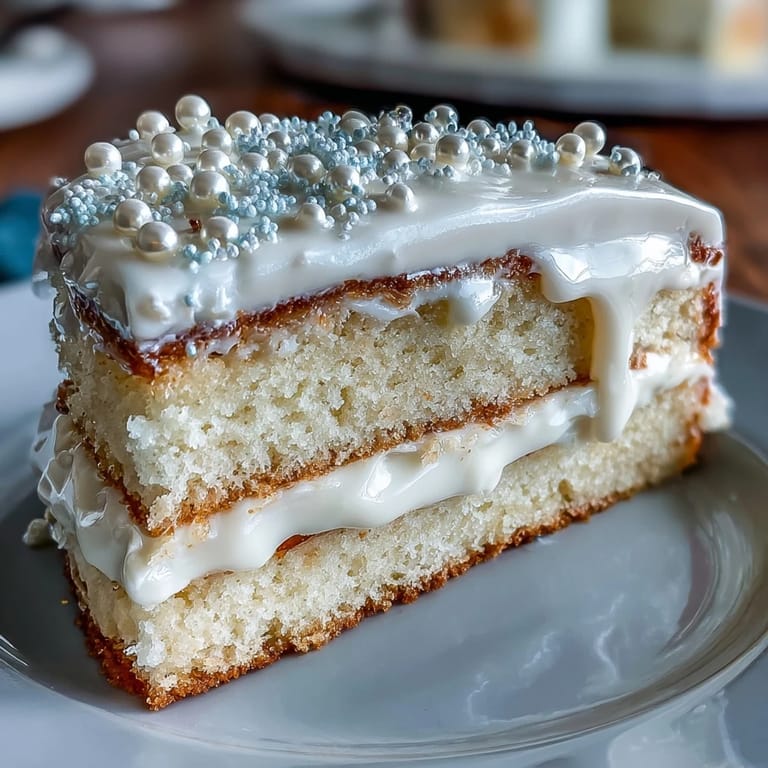
 The afternoon I delivered this cake to my friend's Communion reception, I watched a five-year-old nephew study it like he was examining a museum piece before anyone cut into it. That moment of awe, of a dessert being celebrated before it's eaten, felt like exactly why these recipes matter at all.
The Science of Tender Cake
The reason this cake stays moist isn't mystery—it's the ratio of fat to flour and the addition of milk instead of water. Butter carries flavor and tenderness in a way oil never can, and milk has just enough acid to react with the baking soda—sorry, baking powder—in a gentle way that creates a fine crumb. I learned this by accident once when I substituted club soda for milk because I'd run out, and the cake became surprisingly airy and delicate. Understanding the why behind ingredients transformed my baking from following instructions to making confident choices.
Fondant as an Art You Can Actually Do
Fondant intimidates people, but it's honestly more forgiving than it feels, especially when you're not trying to sculpt something wild. The trick is thinking of it like draping fabric rather than stretching plastic—work with gentle pressure, smooth upward and outward, and let gravity help you. One afternoon I worked with fondant while my hands were still slightly damp from washing dishes, and it tore repeatedly until I dried my hands completely. Since then, I always have a kitchen towel nearby and I dab my hands throughout the process.
Timing and Make-Ahead Strategy
This cake actually improves when baked a day ahead because the crumb sets and the flavors meld quietly overnight. Wrap the cooled, unfrosted cake tightly in plastic wrap and store it at room temperature; the next day, it frosting and decorates more smoothly because it's completely stable. I've also made the buttercream the morning of and kept it covered in the refrigerator, bringing it back to spreadable consistency by beating it for a minute just before frosting.
- Bake the cake up to two days ahead and wrap tightly in plastic; the flavor actually deepens.
- Make buttercream the morning of serving and whip it again briefly if it's been chilled, bringing back its fluffy texture.
- Apply fondant no more than eight hours before serving so it stays supple and doesn't dry out and crack.
 Pin it
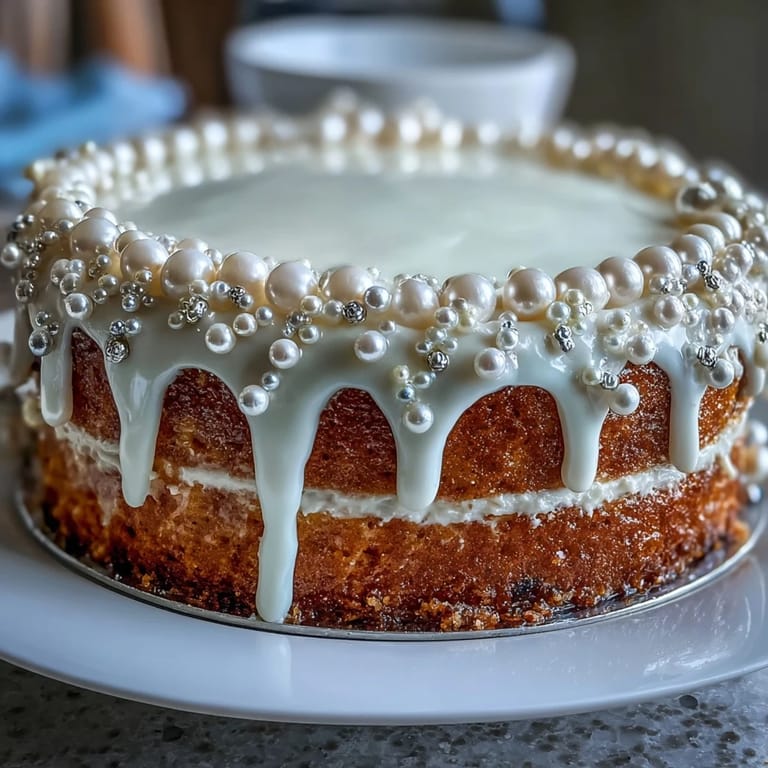
 This cake has become my birthday gift to the milestone moments in people's lives, the dessert I make when I want someone to know I think their moment matters. It's tender enough to melt on your tongue and beautiful enough to photograph, which somehow makes the eating feel less rushed and more ceremonial.
Frequently Asked Questions
- → How do I achieve a smooth fondant finish?
Ensure the buttercream layer is even and chilled before applying rolled fondant. Work quickly to smooth out air bubbles and gently press with a fondant smoother for a flawless surface.
- → What is the best way to keep the cake moist?
Use room-temperature ingredients and avoid overmixing the batter. Baking to the correct doneness and allowing it to cool in the pan briefly helps retain moisture.
- → Can I prepare this cake ahead of time?
Yes, you can bake the cake a day in advance and wrap it tightly before decorating to preserve freshness and ease assembly.
- → What substitutes enhance vanilla flavor?
Almond extract can replace half the vanilla for a delicate nutty aroma, adding subtle complexity without overpowering.
- → How should I store the cake after decorating?
Keep the decorated cake in a cool, dry place or refrigerated if needed. Cover loosely to prevent drying while preserving the fondant’s texture.