 Save
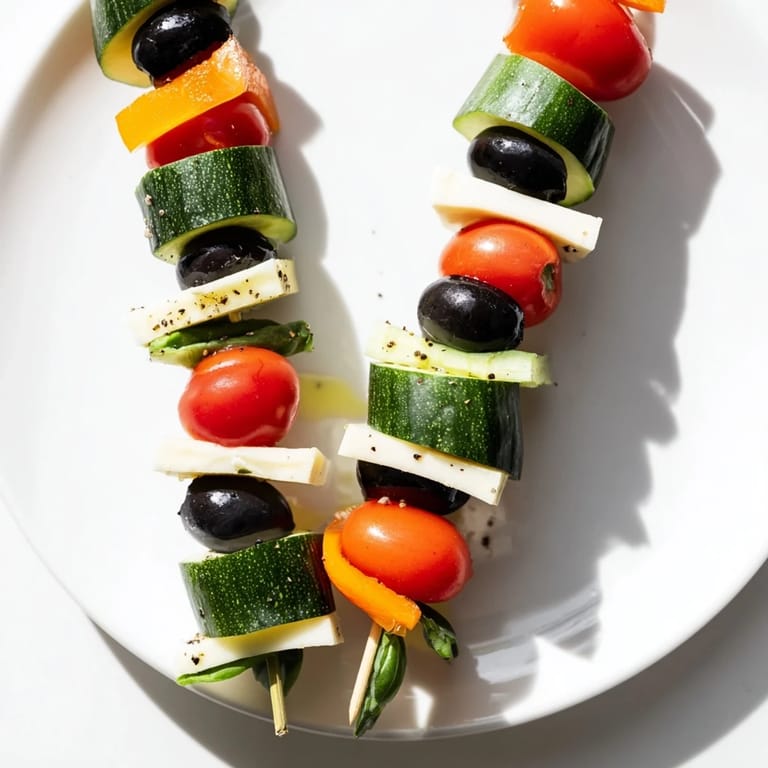
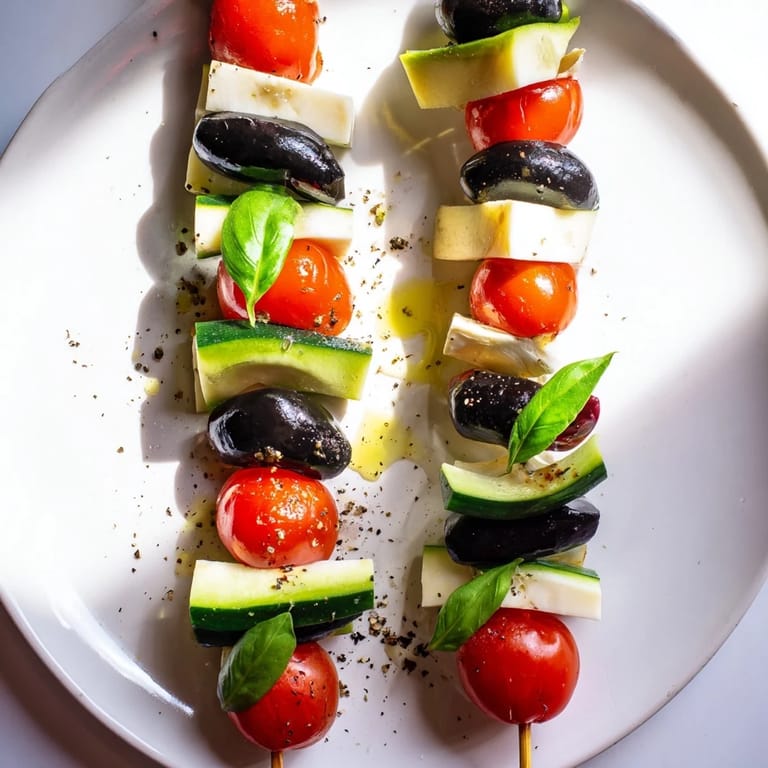
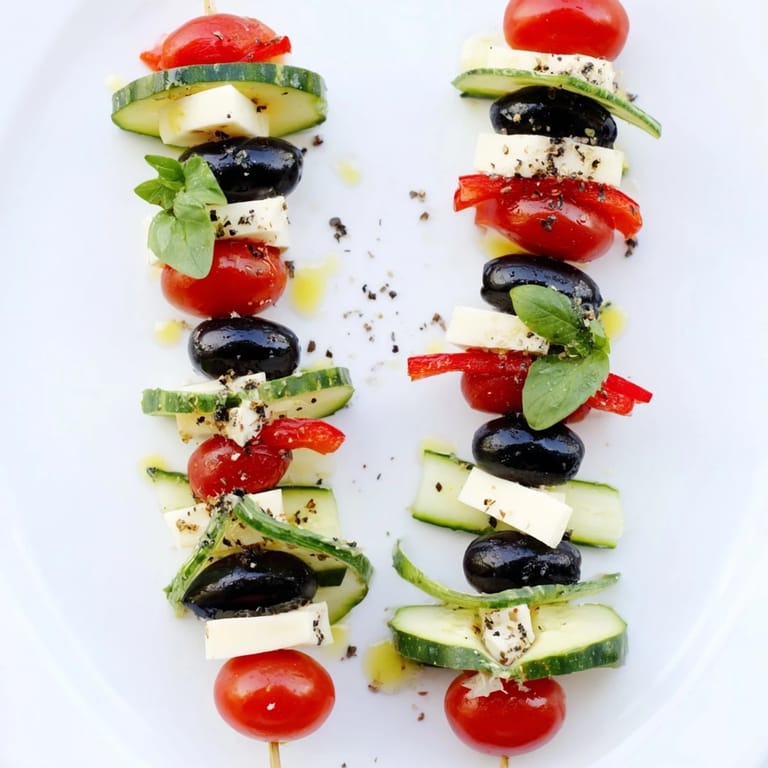
Save I'll never forget the moment my sister brought a molecular gastronomy cookbook to dinner and challenged me to create something that would blow everyone's minds. I was standing in my kitchen, staring at a spread of colorful ingredients, when it hit me—why not create something that looked as fascinating as the science we were discussing? That's when the Double Helix was born. I arranged those vibrant olives, tomatoes, and peppers into two graceful lines, connected them with cheese rungs, and watched my guests gasp when they realized what they were looking at. It became the dish everyone asks me to make.
I remember bringing this to my friend's book club meeting, which happened to be about a bestselling science fiction novel. When I unveiled the platter, the room went silent for a second, then erupted. Someone said it was almost too beautiful to eat, but they did anyway, and the conversation shifted from plot twists to how I'd managed to create this edible artwork. That's when I knew this wasn't just a dish—it was a conversation starter.
Ingredients
- Black olives, pitted and sliced (100 g): These form one of your DNA strands and provide a briny, sophisticated depth. I learned to always pit them myself rather than buying pre-pitted ones—they stay firmer and taste fresher.
- Cherry tomatoes, halved (100 g): Their sweet-tart burst is essential to the visual contrast and cuts through the richness beautifully. Choose ones that are deeply colored for maximum impact.
- Cucumber, cut into thin half-moons (100 g): This ingredient adds a cooling, crisp element that keeps each bite from feeling heavy. The thinner you slice them, the more elegantly they arrange.
- Roasted red peppers, sliced (100 g): Whether you roast them yourself or use jarred, these bring sweetness and a gorgeous ruby color that catches the light. Jar them yourself for better texture control.
- Smoked salmon or marinated tofu strips, optional (100 g): This is your protein element and adds sophisticated depth. I use salmon for elegance, but marinated tofu works beautifully for vegetarian guests and adds an unexpected umami note.
- Mozzarella cheese, cut into strips or small cubes (150 g): These are your rungs connecting the helix strands. The mild creaminess holds everything together without overpowering the fresh vegetables.
- Cheddar cheese, cut into strips or small cubes (100 g): Use sharp cheddar for a more pronounced flavor that creates visual and taste contrast with the mozzarella.
- Fresh basil leaves (50 g): Tuck these along the lines for pops of green and a whisper of herbaceous freshness that ties everything together.
- Crackers or gluten-free crackers, optional (50 g): These give your guests something to anchor their bites and add texture variety.
- Olive oil (1 tbsp): A light drizzle at the end adds shine and richness. Use your best quality oil here—it's visible and tastes.
- Freshly ground black pepper, to taste: This is your final flourish that wakes up all the flavors and adds visual texture.
Tired of Takeout? 🥡
Get 10 meals you can make faster than delivery arrives. Seriously.
One email. No spam. Unsubscribe anytime.
Instructions
- Create your first strand:
- On a large serving board or platter, lay out your first parallel line using one primary ingredient—I typically start with black olives. Imagine you're drawing with food, creating a gentle curve or slight wave. This isn't meant to be perfectly straight; the organic flow is part of its beauty.
- Build the second strand:
- Create a parallel line next to your first, using a contrasting ingredient like halved cherry tomatoes. Step back and look at your two lines—they should create visual drama through their color opposition. You're building the visual foundation of your helix.
- Add depth with additional ingredients:
- Now fill in and enhance your strands by layering additional vegetables and proteins. Add cucumber slices to one line, roasted pepper slices to another section. If using salmon or tofu, tuck those in strategically. The key is maintaining the contrast and creating a sense of depth.
- Connect with cheese rungs:
- Now for the magic moment—place your cheese pieces perpendicular to your two strands, connecting them like rungs on a ladder. Alternate between mozzarella and cheddar for visual interest. These connections are what make it unmistakably a helix. Space them evenly, about 2-3 inches apart, and make sure they're secure.
- Tuck in the basil:
- Gently nestle fresh basil leaves along both strands and around the cheese rungs. This adds vibrant green pops that break up the pattern and add a fresh, herbal aroma that greets your guests before they even taste.
- Finish with finesse:
- Give everything a light drizzle of olive oil, which makes the colors glow and adds richness to every bite. Finish with freshly ground black pepper scattered across the entire creation. Place crackers on the side if desired, and step back to admire your edible science lesson.
 Pin it
 One evening, I served this at a gathering of my kids' science teachers, and I watched as they circled the platter, genuinely amazed. One teacher pulled out her phone and asked if she could show her biology class. That's when I realized this dish had transcended being just appetizer—it had become a teaching moment, a conversation bridge between food and learning, art and science.
The Beauty of Edible Architecture
What I love most about this recipe is that it proves you don't need technical cooking skills to create something truly memorable. This is pure arrangement, pure visual storytelling. I've had guests who said they could never cook attempt this, and they all succeeded because it's really about understanding negative space, color theory, and the principle that simple elements arranged with intention create impact. The double helix structure gives you a framework, but within it, you have complete creative freedom.
Making It Your Own
Over the years, I've played with countless variations. I've used different cheeses—goat cheese adds tang, fresh burrata adds luxury. I've experimented with proteins beyond salmon and tofu, trying marinated mushrooms and grilled chicken breast sliced thin. The vegetables adapt with seasons: asparagus tips in spring, grilled zucchini in summer, roasted beets in fall. Each version tells a different story while maintaining that iconic double helix silhouette that makes people smile the moment they see it.
Perfect Pairings and Timing
This appetizer pairs beautifully with crisp white wines, sparkling waters with fresh lemon, or even light aperitifs. I've learned that serving this at the beginning of an event, when people first arrive, creates immediate excitement and gives your guests something visually engaging to gather around while everyone settles in. The no-cooking aspect also means you can have this ready to go while you're managing other dishes, which is a gift when you're hosting.
- Prepare all your ingredients ahead of time—wash, slice, and store them separately in containers so assembly takes just minutes.
- If mini skewers aren't holding things in place naturally, use them strategically at the base of your rungs for extra stability during serving.
- A chilled platter makes an enormous difference—pop yours in the freezer for 10 minutes before arranging if your kitchen is warm.
 Pin it
 Every time I make this, I'm reminded that cooking isn't always about following complex techniques or spending hours at the stove. Sometimes the most meaningful dishes are the ones where creativity, thoughtfulness, and a sense of play come together. This Double Helix has taught me that food can be a bridge between science and art, between the practical and the imaginative.
Frequently Asked Questions
- → What ingredients create the base lines of this dish?
The base lines include black olives, cherry tomatoes, cucumber, roasted red peppers, and optional smoked salmon or marinated tofu.
- → How are the cheese rungs prepared and arranged?
Mozzarella and cheddar cheeses are cut into thin strips or cubes and placed perpendicularly between the lines to resemble the connecting rungs of a helix.
- → Can this dish accommodate dietary restrictions?
Yes, using gluten-free crackers and plant-based cheeses makes this suitable for gluten-free and vegan diets.
- → What tools help assemble the dish effectively?
A large serving board, sharp knife, and small tongs or toothpicks assist in arranging the ingredients neatly.
- → What flavors enhance this appetizer’s experience?
Fresh basil leaves, a drizzle of olive oil, and freshly ground black pepper provide aroma and seasoning that balance the fresh and savory elements.